Why Land Clearing is the First Step to Any Successful Build?
November 24, 2025

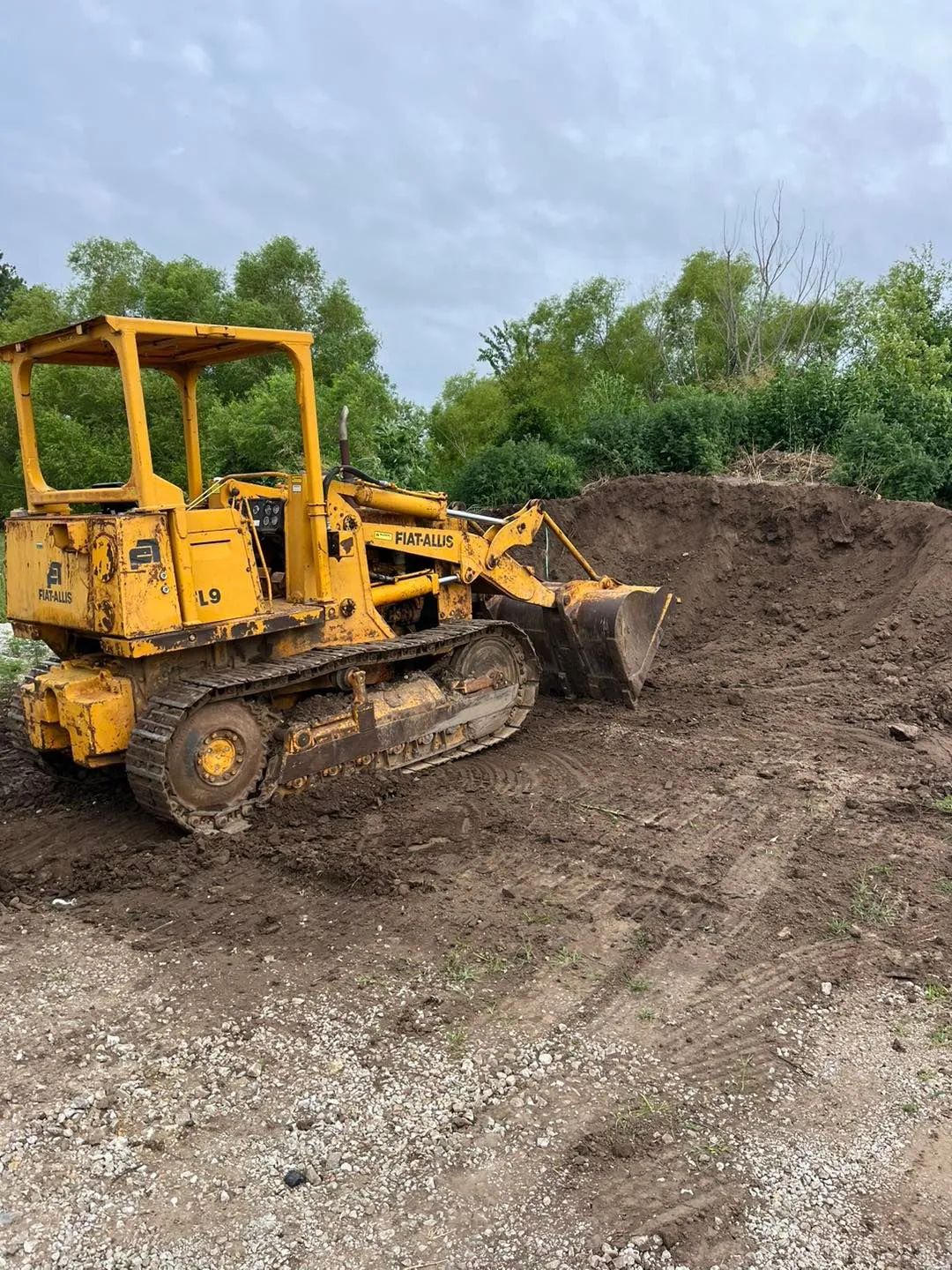
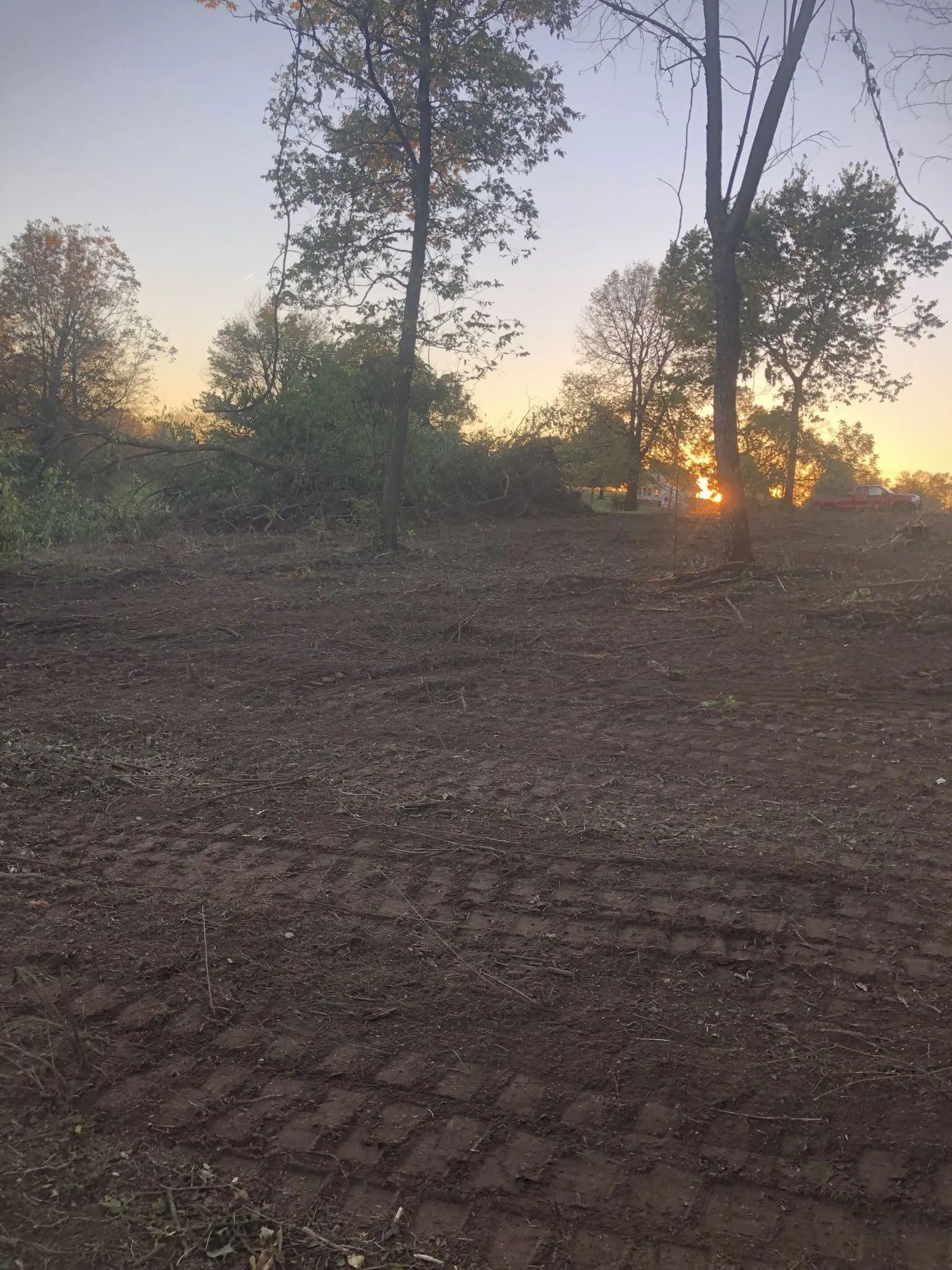
Every successful construction project begins long before the foundation is poured. One of the most critical, yet often overlooked, initial steps is land clearing. This process involves removing trees, shrubs, rocks, and debris to prepare a clean, stable site for construction. Without proper land clearing, future excavation, grading, and building can face serious obstacles, including uneven terrain, hidden obstacles, or drainage issues. Ensuring the land is properly cleared sets the stage for a smoother, safer, and more efficient building process. Let’s explore why land clearing is the essential first step to any successful build.
Creating a Safe and Accessible Site
Land clearing removes obstacles that could pose safety risks or hinder construction equipment. Rocks, stumps, and dense vegetation can slow down machinery, create trip hazards, and complicate site access. Clearing the land ensures that workers and equipment can operate efficiently, minimizing delays and potential accidents. Additionally, a cleared site allows emergency vehicles and construction crews to move freely, improving overall safety and workflow during the build.
Preparing for Excavation and Grading
Before excavation or grading begins, the land must be free of obstructions. Stumps and roots left in the soil can interfere with digging foundations, installing utilities, or shaping the terrain. Proper land clearing provides a smooth, consistent surface, making excavation easier and ensuring that grading for proper drainage is accurate and effective. Clearing the land in advance also allows surveyors and engineers to work more efficiently, enabling precise measurements and planning for the build.
Enhancing Soil Stability and Foundation Strength
A site cluttered with vegetation may have inconsistent soil compaction. Removing unwanted trees and brush allows contractors to assess soil conditions and implement stabilization measures if needed. This prevents settling, uneven foundations, and structural issues later on, ensuring that the build stands strong for years to come. Moreover, proper soil preparation can reduce long-term maintenance costs by preventing structural weaknesses and minimizing the risk of foundation repairs.
Controlling Drainage and Erosion
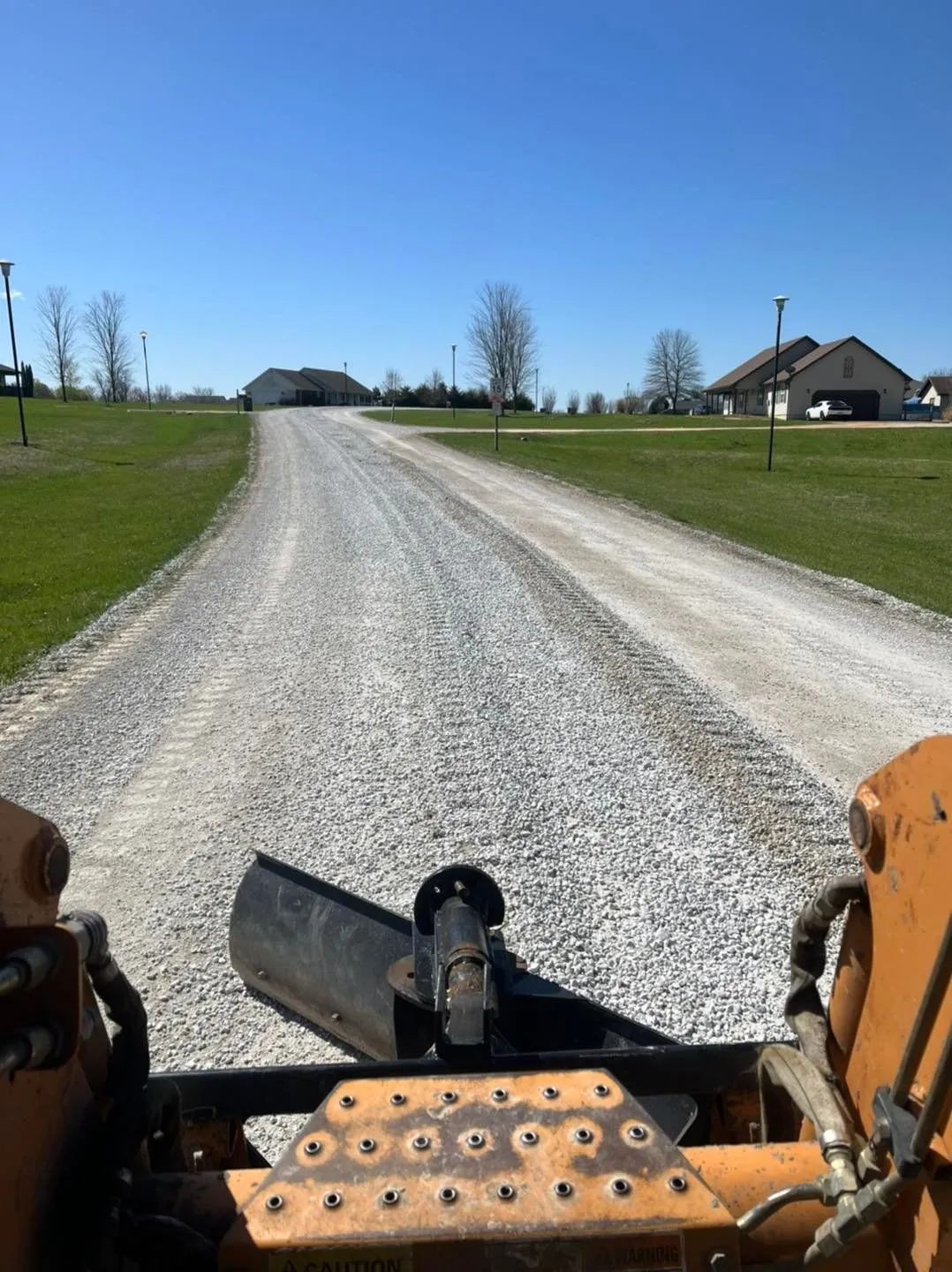
Unmanaged vegetation and debris can disrupt natural water flow, leading to erosion or flooding risks on the construction site. Land clearing allows for strategic planning of drainage systems, protecting both the site and the surrounding environment. Properly cleared land ensures water flows away from foundations, preserving soil integrity and preventing costly water damage. It also provides a clearer view for contractors to design and install retaining walls, swales, or other erosion-control measures effectively.
Saving Time and Reducing Costs
Attempting to build on uncleared land often results in unexpected challenges, equipment wear, and project delays. Investing time and resources upfront for thorough land clearing can prevent costly interruptions during later stages of construction. It ultimately streamlines the entire building process, ensuring projects stay on schedule and within budget. Furthermore, a well-prepared site reduces labor-intensive corrections and equipment downtime, allowing contractors to complete the project faster and more efficiently.
Trusted Professionals for a Smooth Build
Land clearing is more than just removing trees and debris—it’s the foundation for a safe, efficient, and successful construction project. For over 20 years, Reeds Excavation and Trucking, a trusted excavation contractor based in Bolivar, Missouri, has provided expert land clearing services tailored to each project’s unique needs. With decades of experience, advanced equipment, and a commitment to quality, Reeds Excavation and Trucking ensures that every site is properly prepared for a strong and lasting build. Begin your project the right way—by clearing the path to success.