How Proper Pad Construction Supports Long-Term Stability
April 18, 2026
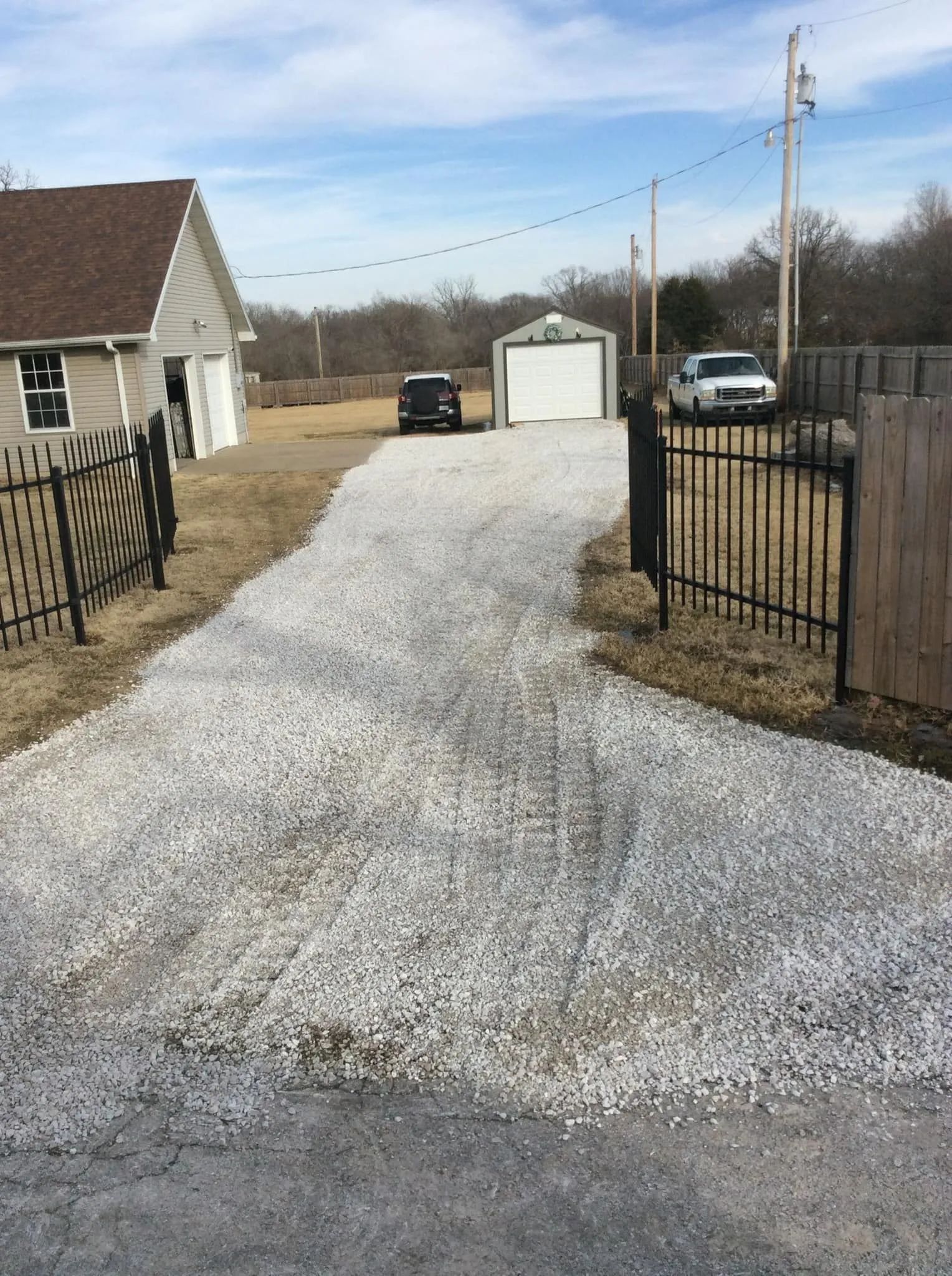
Proper pad construction is a foundational element in any successful excavation, grading, or infrastructure project. It determines how well a structure will perform over time by influencing load distribution, soil behavior, drainage efficiency, and resistance to environmental stress. When executed with precision, pad construction creates a stable base that minimizes settlement, prevents shifting, and ensures structural integrity across residential, commercial, and industrial applications. It also helps reduce long-term maintenance costs by addressing potential weak points early in the construction process. In addition, a well-prepared pad supports uniform compaction, which is essential for maintaining consistent performance under varying loads.
In modern construction, demand for long-lasting infrastructure continues to rise, making site preparation and pad building more critical than ever. Whether supporting buildings, driveways, equipment pads, or storage areas, the quality of the base directly impacts durability and maintenance requirements. Poorly prepared pads often lead to cracking, uneven surfaces, water accumulation, and costly repairs. On the other hand, properly engineered pads enhance performance, extend service life, and improve safety across the entire structure. They also provide better resistance against seasonal weather changes such as heavy rainfall and temperature fluctuations. Furthermore, advanced construction techniques now allow for more precise grading and compaction, improving overall reliability.
Understanding how soil composition, compaction techniques, moisture control, and grading precision work together allows for better decision-making during the early stages of construction. These factors collectively define the long-term stability of any built environment. This blog explores the essential components of pad construction and explains how each stage contributes to creating strong, reliable, and enduring foundations that stand the test of time under varying load and environmental conditions. Proper planning at this stage ensures fewer structural issues in the future and supports sustainable construction practices. It also enables contractors to achieve higher efficiency while maintaining quality standards across diverse project requirements.
Understanding Pad Construction Fundamentals
Role of Structural Base Design
Pad construction begins with a carefully engineered base designed to distribute weight evenly across the soil profile. A well-designed pad reduces pressure concentration points that often lead to sinking or cracking. Proper elevation planning and slope alignment also ensure long-term balance under structural loads and environmental stress conditions over time.
Soil Composition and Load Behavior
Different soil types respond differently under pressure. Clay-rich soils tend to retain water and expand, while sandy soils drain quickly but may lack cohesion. Understanding these behaviors allows for strategic reinforcement using engineered fill materials. When soil conditions are properly assessed, the risk of uneven settlement decreases significantly across all construction phases.
Importance of Site Evaluation
Accurate site evaluation identifies weak zones, organic material, and moisture-prone areas that can compromise stability. Removing unsuitable soil and replacing it with compactable fill ensures a consistent foundation. This step also helps determine excavation depth and grading requirements before construction begins effectively.
A properly constructed pad is never a one-step process; it is a layered system built on precision and planning. Each layer contributes to structural performance, ensuring that the final surface can withstand long-term stress without deformation or loss of integrity under varying load conditions.
Site Preparation and Soil Stabilization
Clearing and Excavation Accuracy
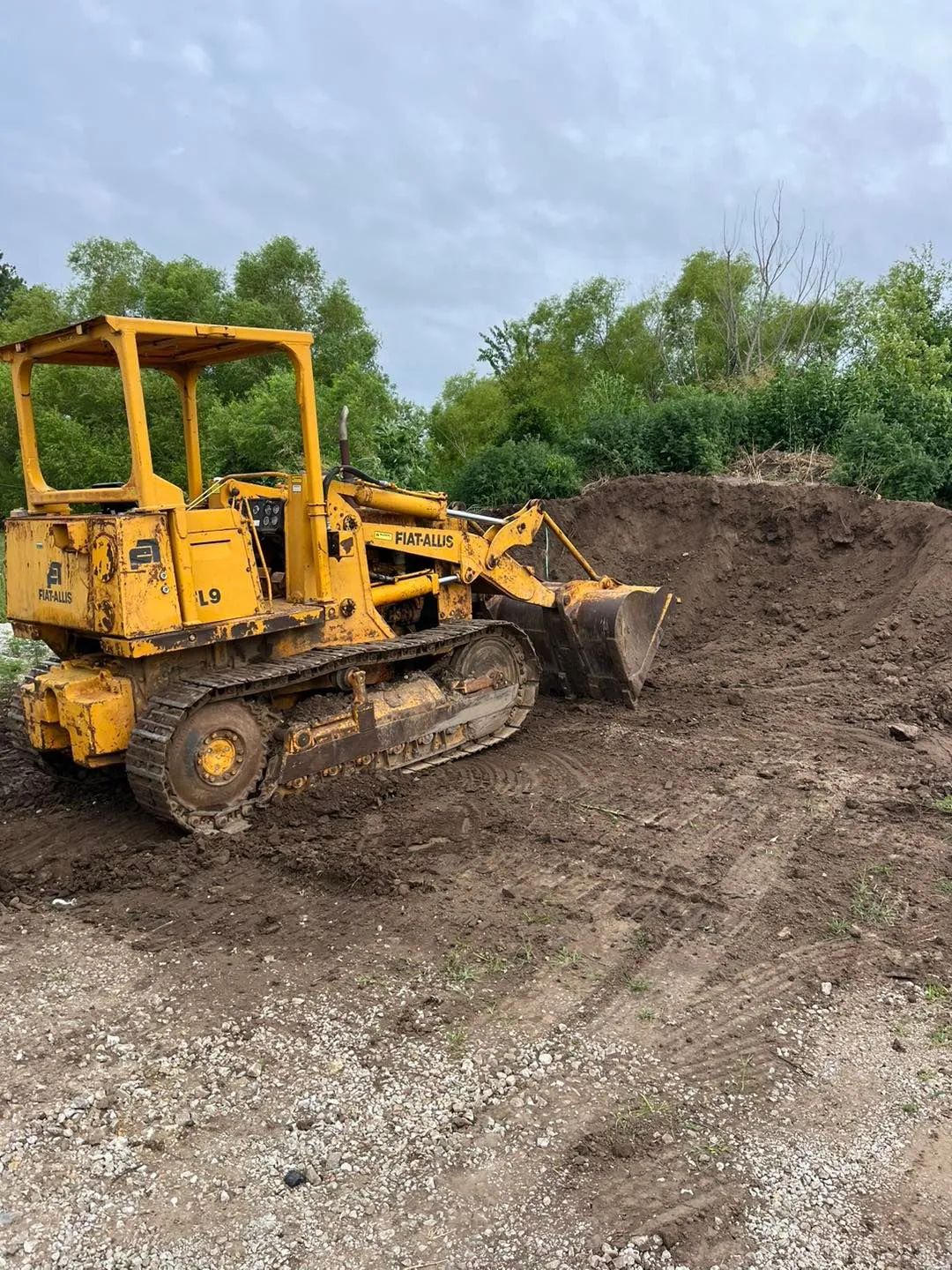
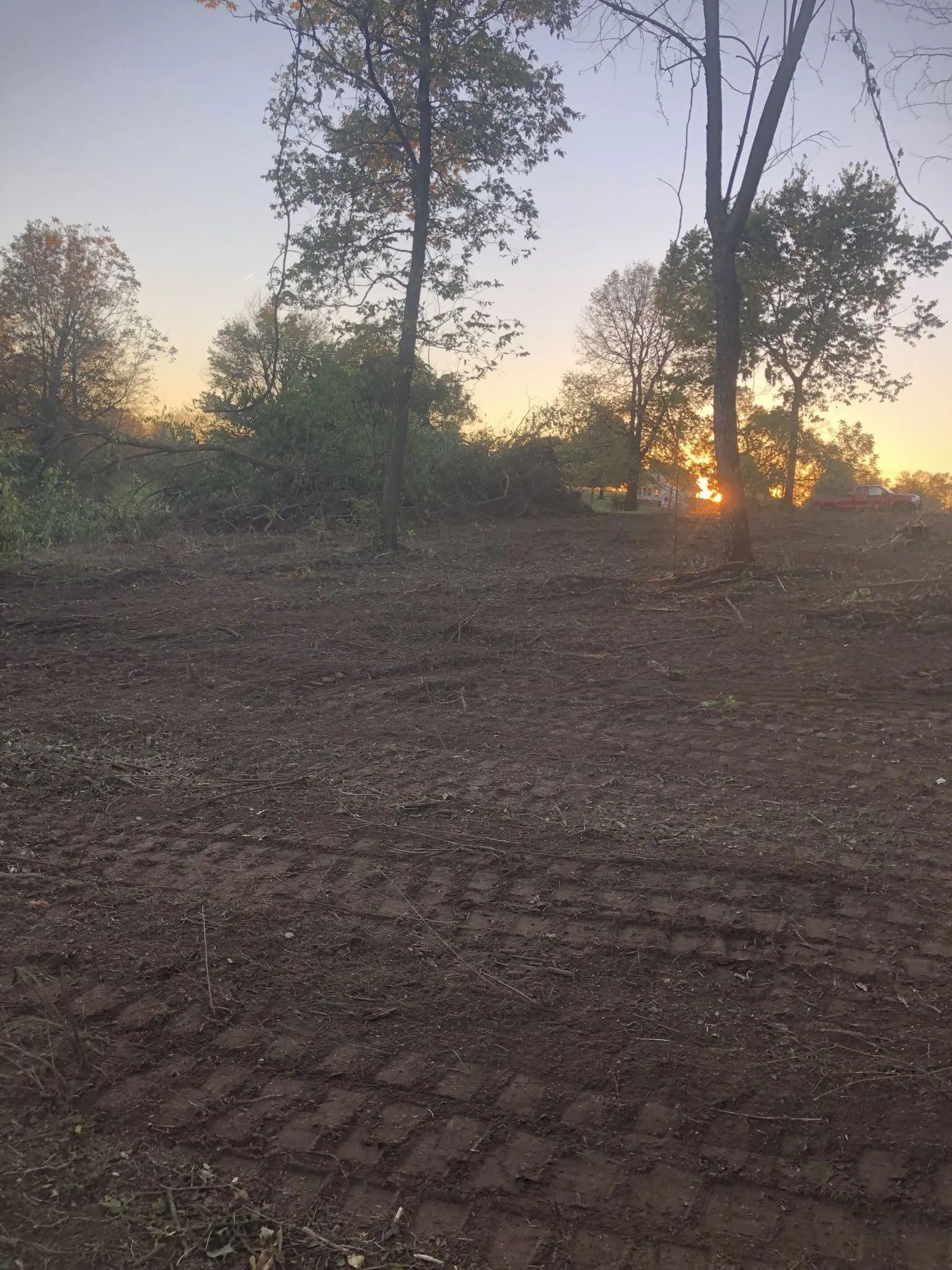
Effective pad construction begins with complete site clearing, including removal of vegetation, debris, and topsoil. These materials are unsuitable for load-bearing purposes due to their organic content and instability. Precise excavation ensures that only stable soil layers remain to support structural loads safely and consistently.
Soil Stabilization Techniques
Stabilization methods such as lime treatment, mechanical compaction, and engineered fill integration significantly improve soil strength. These techniques modify soil properties, reducing plasticity in clay soils and increasing cohesion in loose granular soils. Stabilized soil forms a reliable base capable of resisting deformation under heavy loads effectively over time.
Grading for Structural Balance
Proper grading ensures uniform elevation across the pad surface. Uneven grading leads to water pooling and inconsistent load distribution. Controlled slope design also directs water away from structural zones, reducing erosion risks and long-term weakening of foundational support systems.
Site preparation is not only about reshaping land but about creating predictable ground behavior. When soil is stabilized correctly, it responds consistently under pressure, reducing long-term risks such as shifting, cracking, or subsidence across different environmental conditions annually.
Drainage and Moisture Control Systems
Surface Water Management
Effective drainage design prevents water accumulation on and beneath the pad surface. Standing water is one of the leading causes of structural failure, as it weakens soil bonds and increases hydrostatic pressure. Proper slope orientation ensures water flows away efficiently from structural zones consistently.
Subsurface Drainage Solutions
In areas with high moisture content, subsurface drainage systems such as perforated pipes and gravel layers help redirect water away from the foundation zone. These systems reduce soil saturation and maintain consistent ground strength throughout seasonal changes and heavy rainfall periods effectively.
Moisture Balance in Soil Layers
Maintaining optimal moisture levels during and after construction is essential. Excess moisture reduces soil compaction efficiency, while overly dry conditions prevent proper binding of materials. Controlled moisture conditions ensure uniform density and stability across all constructed layers, consistently maintained.
Drainage and moisture control work together to preserve the integrity of the pad over time. Without these systems, even well-compacted soil can degrade due to water infiltration. Proper water management ensures that the structural base remains strong, stable, and resistant to environmental fluctuations reliably.
Material Selection and Compaction Techniques
Engineered Fill Materials
Selecting the right fill material is critical for achieving structural stability. Crushed stone, gravel, and sand blends are commonly used due to their compaction efficiency and drainage properties. These materials create interlocking structures that enhance load-bearing capacity for long-term construction performance.
Layered Compaction Strategy
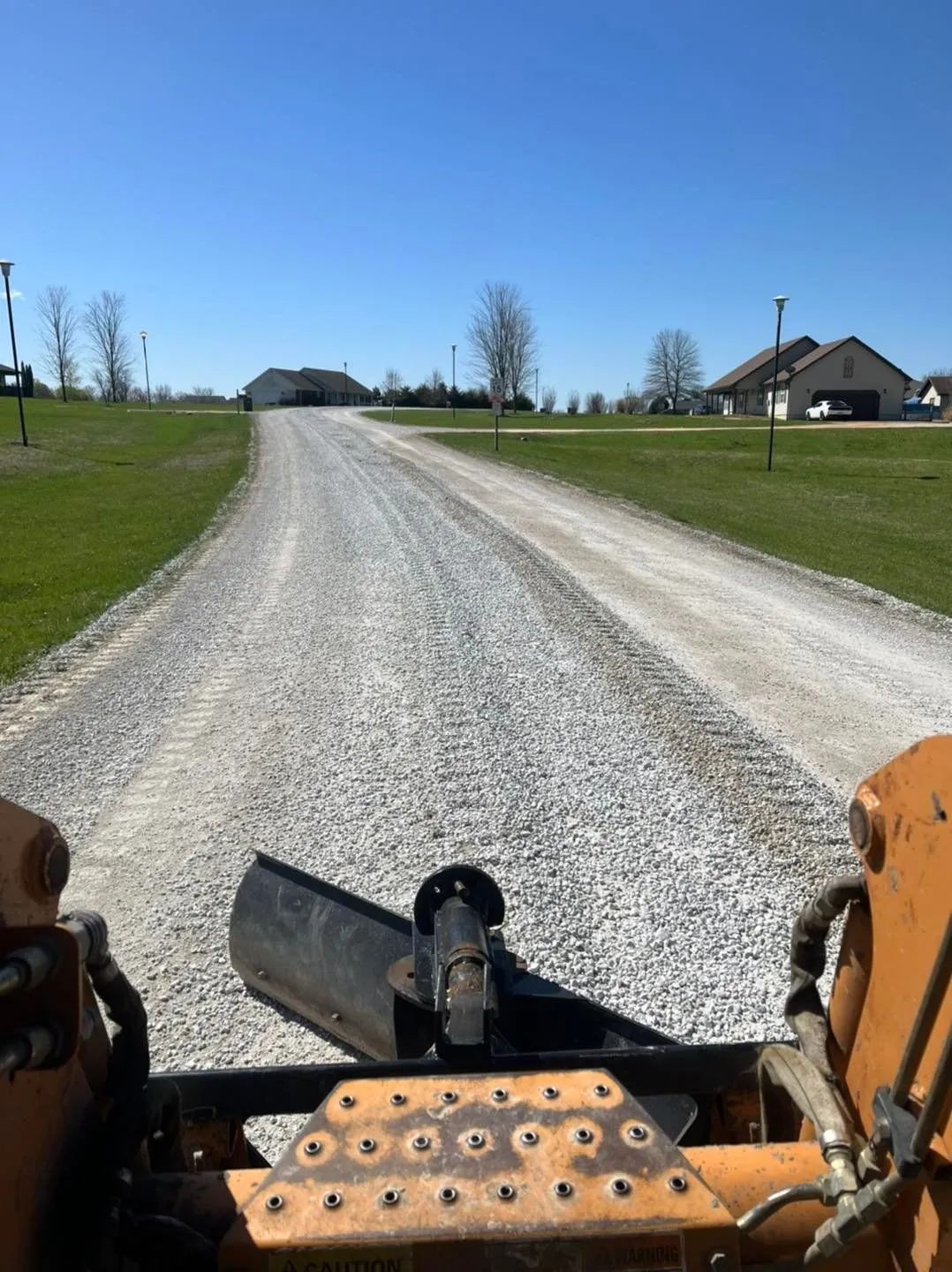
Compaction must be performed in controlled layers rather than a single bulk process. Each layer is compacted to achieve optimal density before the next is added. This method eliminates air pockets and prevents future settlement issues throughout the structure’s lifespan effectively.
Equipment and Precision Control
Modern compaction equipment, such as rollers and plate compactors, ensures uniform density across the entire pad surface. Consistent compaction pressure is necessary to achieve predictable performance under load across all construction environments and soil conditions, reliably maintained.
Material selection and compaction techniques directly influence the lifespan of a constructed pad. Poor compaction leads to uneven settling and structural instability, while properly compacted layers provide a solid and reliable base. When combined with suitable materials, compaction ensures long-term structural integrity.
Long-Term Performance and Failure Prevention
Preventing Settlement and Cracking
Long-term stability depends on minimizing settlement and surface cracking. These issues typically arise from inadequate compaction, poor drainage, or improper soil selection. Addressing these factors during construction significantly reduces future maintenance needs and costly structural repairs over time.
Environmental Stress Resistance
Pads are constantly exposed to environmental stress such as temperature fluctuations, rainfall, and load variations. A properly constructed pad absorbs and distributes these stresses without deformation, ensuring consistent performance over time, even under extreme weather and operational conditions.
Maintenance Considerations
Routine inspection of drainage systems and surface conditions helps identify early signs of wear. Timely intervention prevents minor issues from escalating into structural failures and costly reconstruction requirements over time, effectively and efficiently managed through proactive monitoring practices consistently applied.
Long-term performance is achieved through a combination of engineering precision and material integrity. When each construction stage is executed correctly, the pad remains stable, durable, and resistant to external pressures throughout its service life under demanding operational conditions, reliably maintained.
Dependable Foundation Work Strengthening Every Construction Project
Proper pad construction is essential for ensuring structural strength, load distribution, and environmental resilience. Each phase, from soil preparation to compaction and drainage, contributes to the overall durability of the foundation. When these elements are executed with precision, the risk of settlement, cracking, and structural failure is significantly reduced. A well-built pad not only supports immediate construction needs but also enhances long-term performance and safety. Strong foundations are the result of careful planning, technical knowledge, and consistent execution. Stability is achieved when every layer works together to create a unified system capable of handling both static and dynamic loads effectively. Proper drainage control and soil integrity further enhance structural reliability under varying environmental conditions. This ensures long-term performance with reduced maintenance requirements and improved safety margins.
Reeds Excavation and Trucking
in Bolivar, Missouri, with 20+ years of experience, brings a strong commitment to precision-driven excavation and site preparation, ensuring every pad is built for long-term reliability. With extensive hands-on experience in excavation and trucking services, the focus remains on delivering stable foundations that meet demanding construction requirements. The approach emphasizes accurate grading, proper material selection, and advanced compaction methods to ensure lasting performance across diverse soil conditions. Every project is handled with attention to detail, from initial site evaluation to final surface readiness. Pride is taken in building groundwork that supports structural integrity and reduces long-term maintenance challenges. Through consistent workmanship and dependable service, solutions continue to strengthen the foundation of residential, commercial, and industrial developments across the region. Commitment extends beyond execution, ensuring each project meets engineering standards and long-term durability expectations. This dedication allows for consistently delivering results that withstand time, load, and environmental stress effectively.