What Goes Into Professional Road and Pad Construction?
March 24, 2026
Constructing roads and pads is far more than simply laying down gravel or asphalt. It requires meticulous planning, precise engineering, and a deep understanding of soil, materials, and environmental conditions. From residential driveways to commercial access roads, professional construction ensures durability, safety, and long-term performance. Without a methodical approach, roads can quickly degrade, leading to costly repairs and compromised safety. A well-designed construction process also accounts for traffic patterns, load capacity, and seasonal weather changes, all of which influence the structure’s lifespan. Understanding the full process of road and pad construction is essential for property owners, contractors, and municipal planners alike, helping them avoid unnecessary expenses and operational interruptions.
The complexity of constructing a reliable road or pad stems from multiple factors, including site evaluation, material selection, grading, drainage, and compaction. Each step impacts the structure’s longevity and resilience under traffic, weather, and environmental pressures. Additionally, adherence to regulatory standards and industry best practices ensures not only quality construction but also legal and environmental compliance. Successful projects also incorporate future maintenance planning and sustainability measures, maximizing efficiency and minimizing long-term costs. In this blog, we will break down the critical elements of professional road and pad construction, provide actionable insights, and explore the techniques that separate high-quality construction from substandard work. Whether you are planning a small private project or managing a large-scale infrastructure development, these insights will equip you with the knowledge to make informed decisions.
1. Site Assessment and Preparation
Understanding the Terrain
Before any construction begins, a thorough site assessment is crucial. Soil composition, topography, and natural drainage patterns directly influence the design and longevity of the road or pad. Engineers typically conduct soil testing, including compaction, moisture content, and bearing capacity analysis. For example, clay-heavy soils may require stabilization or replacement, whereas sandy soils might need reinforcement to prevent shifting under load. Proper terrain assessment avoids future structural failures and ensures a strong foundation for the project.
Clearing and Grubbing
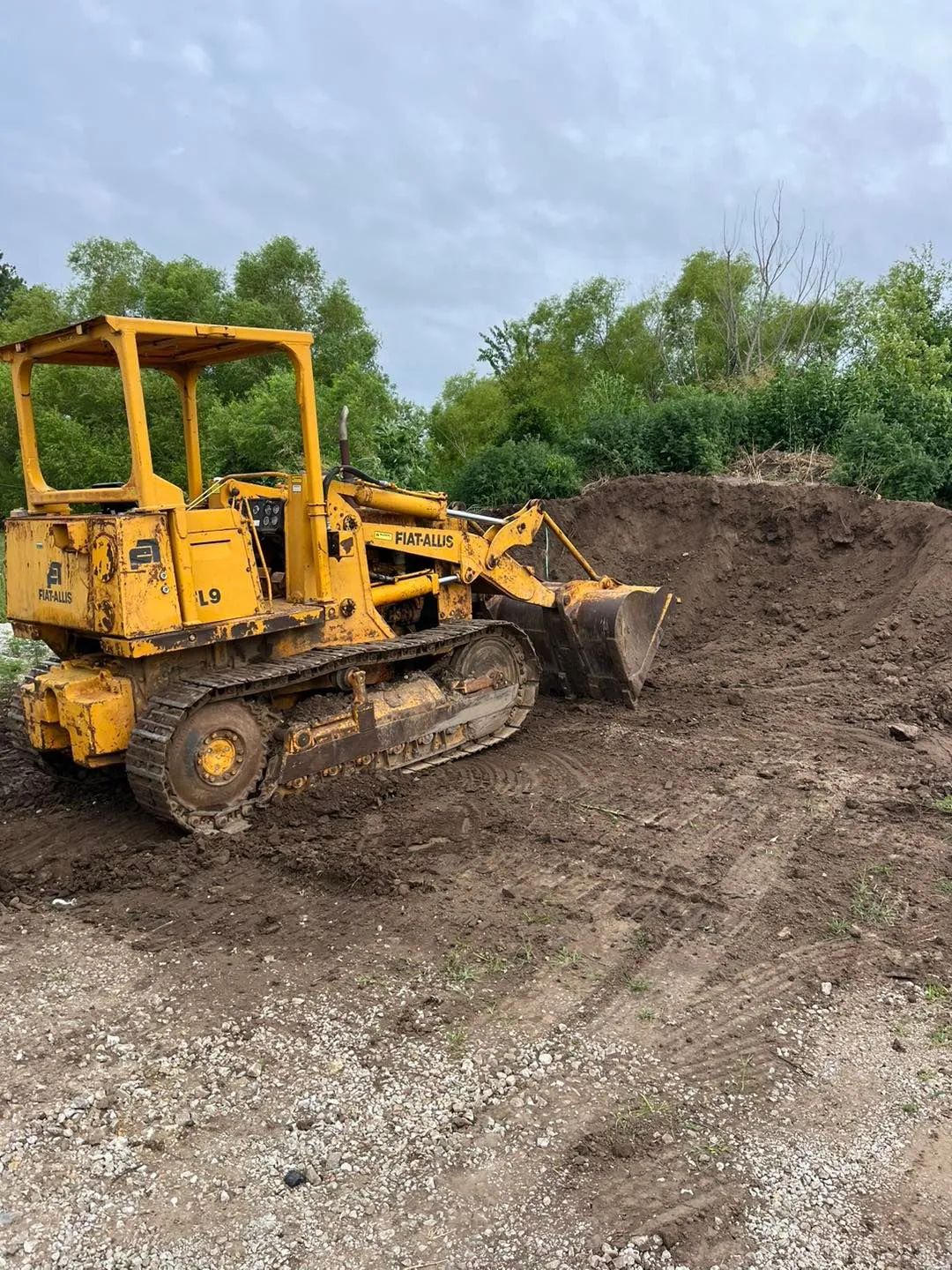
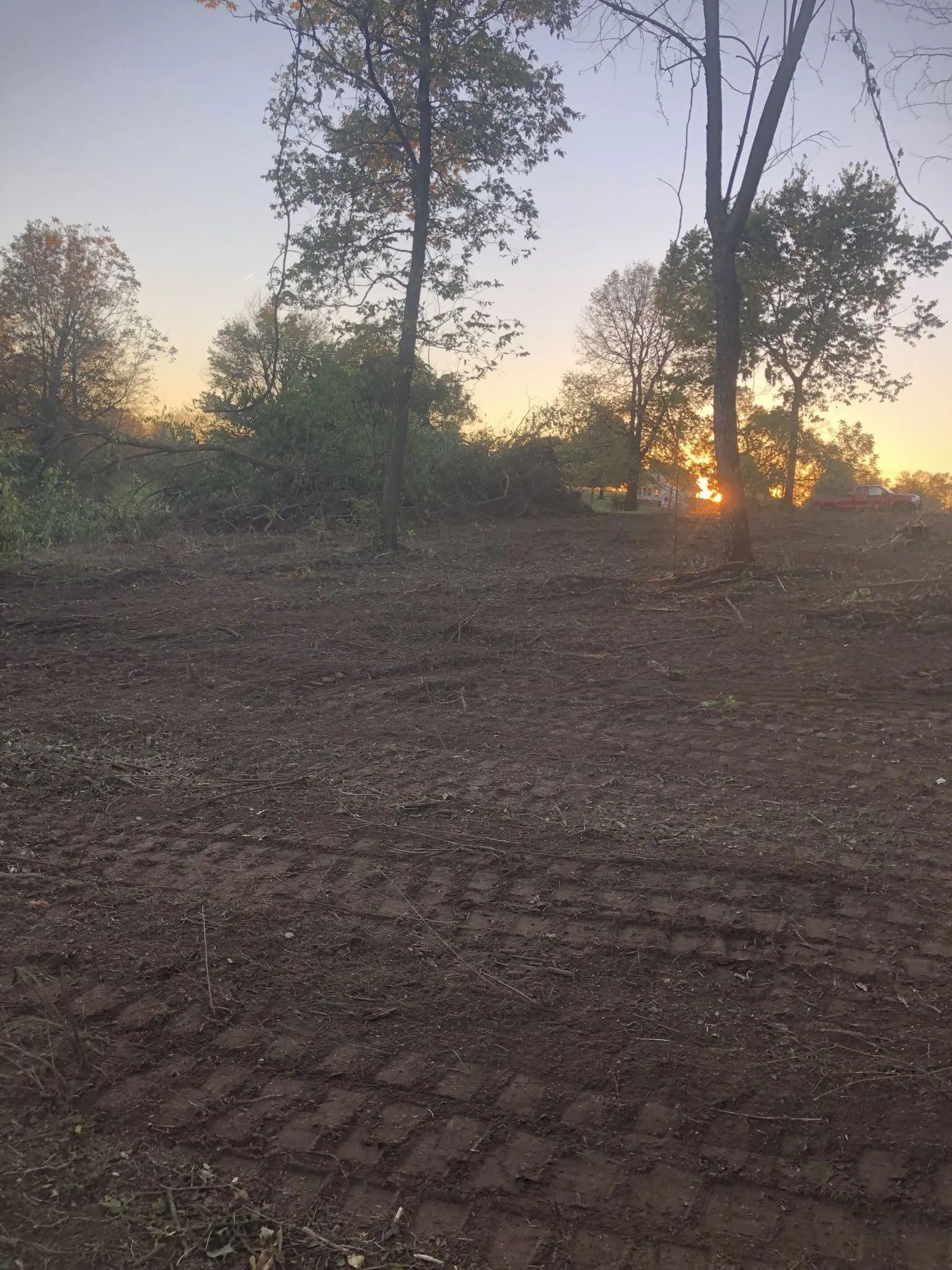
Once the site is assessed, clearing and grubbing are performed to remove vegetation, rocks, debris, and organic matter. This step is critical as leftover material can lead to uneven surfaces, water pooling, or compromised structural integrity. In commercial or industrial settings, specialized machinery such as bulldozers, skid steers, and excavators are deployed to clear large areas efficiently. Ensuring the site is fully prepared establishes a solid starting point for grading and material placement.
Environmental Considerations
Professional construction also involves minimizing environmental impacts. Erosion control measures, sediment barriers, and proper drainage planning are implemented to protect nearby waterways and habitats. Compliance with local regulations for stormwater management and environmental protection not only avoids penalties but contributes to sustainable construction practices.
2. Grading and Drainage Design
The Importance of Grading
Grading involves shaping the land to achieve proper slope and elevation for roads or pads. It ensures water runoff is directed away from the structure, reducing the risk of flooding or erosion. Precision grading is accomplished using laser-guided equipment or GPS-controlled graders, allowing for consistent slopes and uniform surfaces.
Drainage Solutions
Effective drainage is a cornerstone of durable road construction. Professionals incorporate culverts, French drains, swales, and ditches to control surface water flow. For instance, a poorly drained access road can develop potholes or washouts within months, while a well-engineered drainage system extends the life of the road exponentially. Advanced drainage designs also consider the impact of heavy rainfall, frozen ground, and seasonal fluctuations, ensuring year-round stability.
Subgrade Compaction
After grading, the subgrade—the foundation layer of the road or pad—must be compacted to achieve maximum density. Proper compaction prevents settling, reduces voids, and increases load-bearing capacity. Contractors use rollers, rammers, and vibratory compactors to meet industry compaction standards. A well-compacted subgrade provides a stable base for subsequent material layers, preventing structural issues in the future.
3. Material Selection and Layering
Choosing the Right Materials
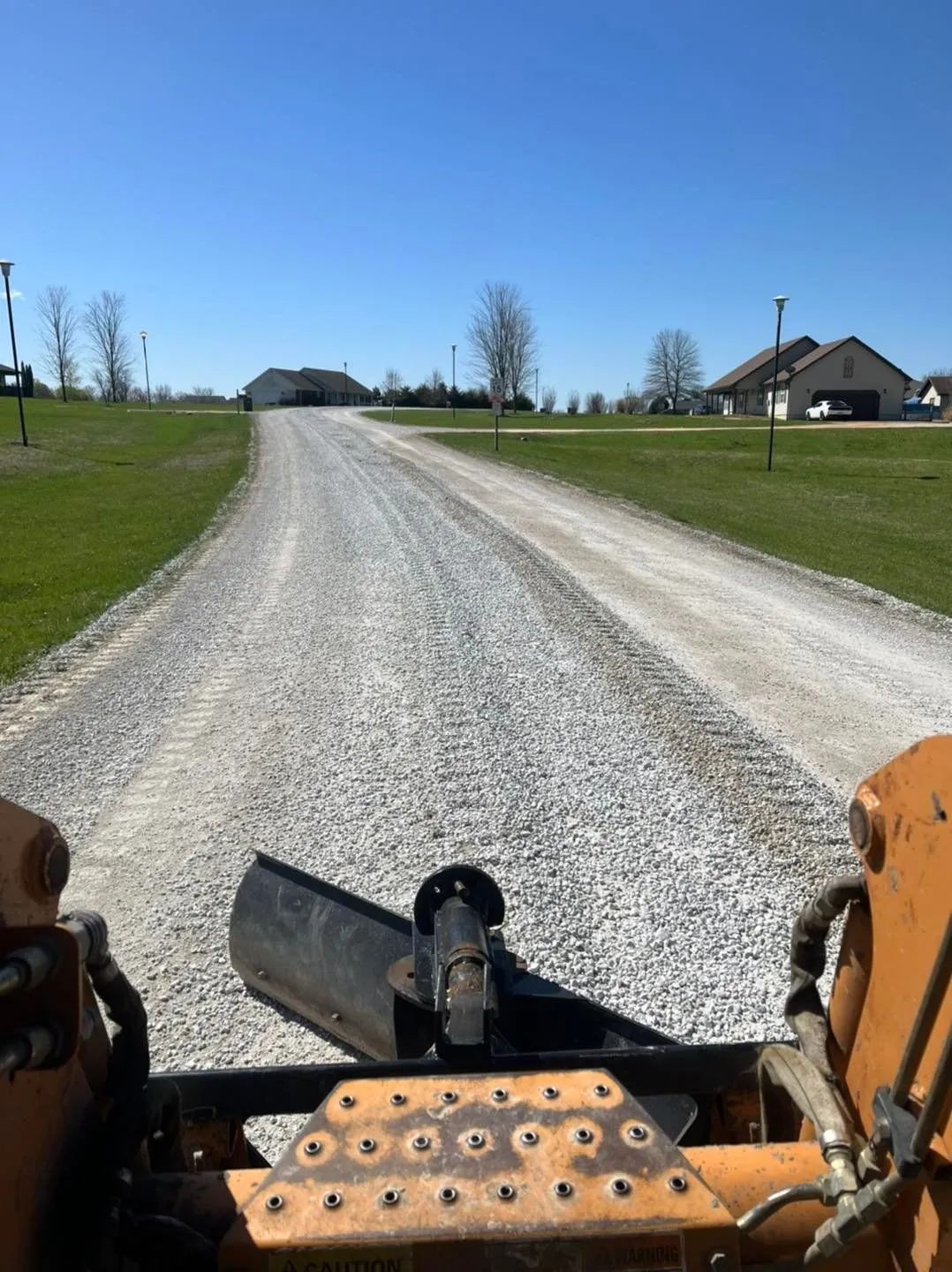
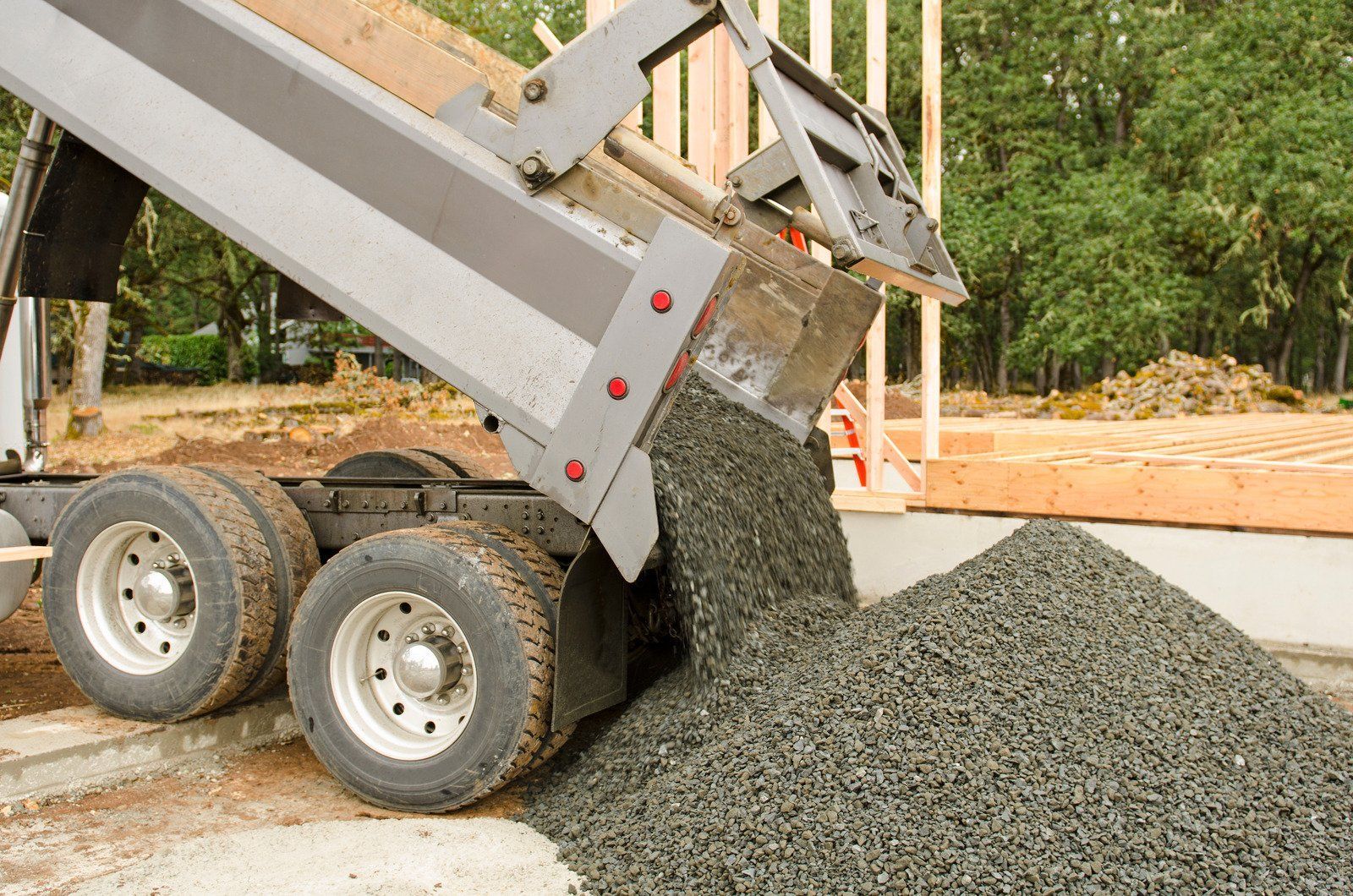
Material selection is vital to road and pad longevity. Crushed stone, gravel, sand, and asphalt are common choices, each with distinct properties. Base layers often consist of coarse aggregate for strength, while finer materials form the top layer for smoothness and wear resistance. For heavy-duty applications, geotextiles or stabilization additives may be incorporated to reinforce the subgrade and improve load distribution.
Layering Techniques
Professional construction involves layering materials in specific sequences, known as lifts. Each lift is compacted individually to ensure uniform density and prevent weak spots. For instance, a commercial pad may include a subbase of coarse stone, a base layer of gravel, and a top layer of asphalt or concrete. Proper layering ensures the structure can withstand repeated traffic and environmental stressors without deforming.
Real-World Examples
In industrial settings, heavy equipment roads often use multiple layers of crushed rock followed by a binder course to support high loads. Residential driveways, while lighter, still require base stabilization and proper top layer selection to prevent cracking or rutting over time. By tailoring material choices and layering strategies to project requirements, contractors achieve both cost efficiency and long-term performance.
4. Pavement Installation and Finishing
Asphalt and Concrete Options
The top surface of a road or pad can vary depending on intended use. Asphalt provides a flexible, cost-effective surface for moderate traffic, while concrete offers superior durability and low maintenance for high-traffic areas. Professionals consider climate, load requirements, and maintenance expectations when selecting the pavement type.
Laying and Compaction
For asphalt roads, hot-mix asphalt is laid using pavers, then compacted with rollers to remove air voids and ensure a smooth surface. Concrete pads require precise pouring, screeding, and finishing to create a level, durable surface. Curing techniques are also critical; for concrete, proper moisture retention prevents cracking, while asphalt must cool gradually to achieve optimal strength.
Jointing and Reinforcement
Concrete structures may include jointing and reinforcement to manage expansion and contraction caused by temperature changes. Rebar or wire mesh increases tensile strength, while expansion joints prevent cracking. In asphalt paving, controlled cracks and overlays help distribute stress and reduce maintenance needs. Proper reinforcement ensures that the road or pad can handle repeated use and environmental stressors over time.
5. Quality Control and Maintenance Planning
Inspection and Testing
Professional road and pad construction does not end with material placement. Continuous quality control through inspections and testing ensures standards are met. Compaction tests, density measurements, and surface smoothness evaluations verify that each construction phase achieves specifications. Early detection of potential issues allows corrective measures before problems escalate, saving both time and money.
Maintenance Strategies
Even well-constructed roads require ongoing maintenance. Seal coating, pothole repair, and resurfacing prolong lifespan and preserve safety. For industrial pads, periodic grading and replenishment of gravel or stone layers maintain structural integrity. A proactive maintenance plan helps avoid major repairs, reducing lifecycle costs and ensuring consistent performance.
Challenges and Solutions
Road and pad construction faces numerous challenges, including soil instability, drainage complications, and extreme weather conditions. Skilled contractors anticipate these issues during planning and implement solutions such as soil stabilization, enhanced drainage, and seasonal scheduling adjustments. Addressing potential obstacles early ensures smoother execution and long-term success.
6. Best Practices for Professional Road Construction
Planning and Design Integration
Successful projects integrate detailed planning with design considerations. Collaboration between engineers, contractors, and project managers ensures alignment on specifications, materials, and scheduling. This reduces errors and promotes efficient use of resources, keeping projects on time and within budget.
Sustainable Construction Practices
Incorporating sustainable practices, such as recycled materials or low-impact excavation techniques, benefits both the environment and project longevity. Using locally sourced aggregates, minimizing site disturbance, and employing erosion control methods demonstrates responsible construction while maintaining quality standards.
Leveraging Technology
Modern construction benefits from advanced technology. GPS-guided grading, drone surveys, and material tracking software improve precision, reduce rework, and enhance safety. Technology also enables better communication and documentation, allowing stakeholders to monitor progress and make data-driven decisions.
Skilled Workforce
Finally, the expertise of the workforce is a critical determinant of success. Experienced operators, engineers, and laborers understand the nuances of grading, compaction, and paving techniques. Proper training and adherence to safety protocols ensure quality workmanship and minimize risks during construction.
Experienced Contractors Delivering Exceptional Road Results
For over 20 years, Reeds Excavation and Trucking, based in Bolivar, Missouri, has been a trusted authority in excavation, road, and pad construction. Our experience spans residential, commercial, and industrial projects, delivering reliable, long-lasting solutions tailored to each client’s unique needs. By combining advanced machinery, skilled operators, and meticulous planning, we ensure every project meets the highest standards of quality and safety.
At Reeds Excavation and Trucking, we understand that successful road and pad construction goes beyond equipment—it requires a comprehensive approach that includes site evaluation, grading, material selection, paving, and proactive maintenance planning. Our team works closely with clients to develop customized strategies, incorporating industry best practices, environmental considerations, and regulatory compliance. We emphasize precision, durability, and efficiency, ensuring your roads and pads remain functional and resilient for years to come.
Whether constructing a new access road, industrial pad, or private driveway, our commitment to excellence sets us apart. With decades of hands-on experience, Reeds Excavation and Trucking
continues to be a dependable partner, delivering superior construction outcomes and peace of mind to clients across Bolivar and the surrounding regions.