How to Ensure a Long-Lasting Septic System Installation?
February 19, 2026
A properly installed septic system is essential for maintaining a clean, safe, and sustainable wastewater management system for homes and commercial properties. Unlike municipal sewer systems, a septic system relies on on-site treatment and disposal of wastewater, which requires careful planning, installation, and ongoing maintenance. Neglecting proper installation practices or failing to consider site-specific conditions can result in system failures, environmental hazards, and costly repairs. Ensuring a long-lasting septic system begins with understanding the critical factors that contribute to its durability and efficiency. Every component, from the tank to the drain field, must work in harmony to prevent backups, contamination, and premature wear. Taking the time to address these considerations upfront can save property owners significant time, money, and stress in the long term.
In today’s construction and property management landscape, homeowners and contractors increasingly recognize the importance of investing in quality septic system installation. With careful planning, adherence to industry standards, and proactive maintenance, a septic system can last for decades while protecting the surrounding soil and water sources. This guide provides comprehensive insights into the key steps and best practices necessary to achieve a durable, high-performing septic system. From selecting the right system type to implementing preventative measures, the strategies outlined here are designed to help property owners and professionals make informed decisions that safeguard their investment, promote environmental safety, and avoid common pitfalls associated with septic system failures. By understanding these essential practices, stakeholders can ensure both regulatory compliance and the long-term health of their property, establishing a foundation for sustainable wastewater management for years to come.
1. Choosing the Right Septic System
Assessing Property and Soil Conditions
The foundation of a long-lasting septic system lies in selecting the appropriate system for the property’s soil composition, topography, and usage patterns. A soil evaluation, also known as a percolation test, helps determine how well the soil can absorb and treat effluent. Sandy soils may drain too quickly, while clay-heavy soils can impede proper filtration. Understanding these characteristics allows contractors to design a system that maximizes efficiency and reduces the risk of failure.
System Types and Suitability
There are several septic system types, including conventional gravity-fed systems, aerobic treatment units, and mound systems. Each has specific requirements and benefits. For instance, gravity-fed systems work well on properties with suitable slope and soil permeability, while mound systems are ideal for areas with poor soil drainage. Choosing a system aligned with the property’s environmental conditions ensures proper treatment and longevity.
Considering Household or Commercial Needs
The anticipated volume of wastewater plays a crucial role in system selection. Residential properties may require smaller tanks with lower capacity, whereas commercial or high-occupancy properties need larger tanks and distribution networks. Matching the system capacity to usage prevents overloading, which can cause backups, surface discharge, or premature system wear.
2. Professional Design and Engineering
Importance of Expert Planning
A septic system is a complex infrastructure component that requires precise engineering. Working with experienced professionals ensures proper placement, sizing, and integration of the system with the property layout. Experts consider factors like seasonal water tables, rainfall patterns, and proximity to wells or water sources, all of which influence long-term system performance.
Detailed Site Mapping
Proper mapping of the system, including tank location, leach field, and any drainage paths, reduces the risk of accidental damage during landscaping or construction activities. Site mapping also allows for easier maintenance access and future system inspections. Professional engineers typically use specialized software to model water flow and optimize drain field placement, which enhances the system’s durability.
Regulatory Compliance
Adhering to local codes and environmental regulations is non-negotiable. Permitting agencies may have strict requirements regarding system design, setback distances, and effluent treatment standards. Compliance ensures not only legal protection but also the application of industry-proven methods that extend the life of the system and prevent environmental contamination.
3. High-Quality Materials and Components
Choosing Durable Tanks
Septic tanks are available in concrete, polyethylene, and fiberglass. Concrete tanks are robust and resistant to crushing, but they require careful installation to avoid cracking. Polyethylene tanks are lightweight and resistant to corrosion but may shift if not properly anchored. Selecting high-quality materials appropriate for the site conditions prevents early tank failure and reduces maintenance costs.
Piping and Drainage Infrastructure
The piping network, including inlet and outlet pipes, distribution boxes, and drain lines, should be constructed from corrosion-resistant materials with smooth interiors to prevent clogging. Proper pipe grading ensures continuous flow and reduces the likelihood of backups. Regular inspections during installation help detect and correct potential problems before the system becomes operational.
Effluent Filters and Pumps
Installing effluent filters at the tank outlet can significantly extend the lifespan of the drain field by preventing solids from entering the soil. For systems requiring pumps, using reliable, professionally rated pumps and alarms ensures that effluent is delivered consistently to the leach field, reducing stress on the system.
4. Proper Installation Techniques
Excavation and Site Preparation
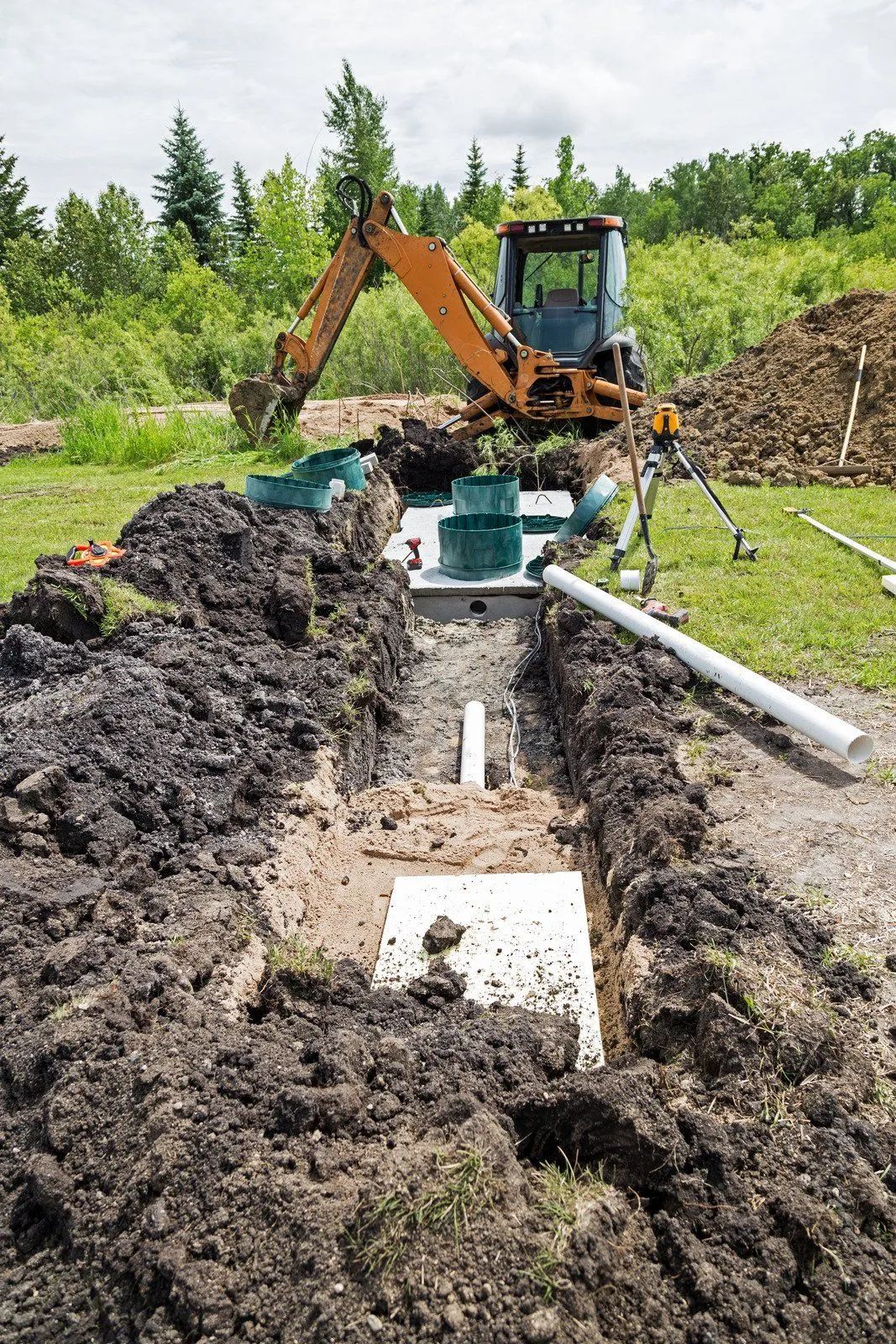
Before installation, the site must be carefully excavated to create a stable foundation for the septic tank and drain field. Uneven ground or compacted soil can lead to tank settling or leach field failure. Proper grading ensures that water flows away from structures and reduces erosion risks.
Correct Tank Placement
Tanks should be positioned to minimize exposure to heavy vehicle traffic and avoid areas with poor drainage. Incorrect placement can compromise structural integrity and lead to leaks or collapse. Ensuring the tank is level and properly supported during backfilling is essential for long-term stability.
Leach Field Construction
The leach field is the heart of the septic system. Trenches should be dug to precise specifications, using the appropriate gravel, sand, or synthetic aggregate to maximize filtration. Installing perforated pipes with the correct slope ensures even distribution of effluent. Avoiding compaction during installation maintains soil porosity, allowing the system to treat wastewater efficiently.
Professional Inspection and Testing
After installation, the system should undergo thorough inspection and testing to verify that all components function correctly. Pressure tests, flow tests, and visual inspections help detect leaks or misalignments early, ensuring the system operates as designed from day one.
5. Regular Maintenance and Preventative Care
Scheduled Pumping
One of the most important factors in prolonging the life of a septic system is routine pumping. Tanks should generally be pumped every three to five years, depending on usage. Regular pumping prevents solids from accumulating, which can clog the drain field and cause system failure.
Monitoring System Health
Homeowners should regularly inspect the septic area for signs of trouble, including slow drains, pooling water, foul odors, or unusually green patches in the yard. Early detection allows for timely intervention before small issues escalate into costly repairs.
Responsible Usage Practices
Avoid flushing non-biodegradable items, chemicals, or excessive grease into the septic system. Water conservation is also critical—high volumes of water can overload the system, while reducing strain through efficient appliances and mindful usage ensures consistent treatment and longer system life.
Landscape Management
Proper landscaping around the drain field contributes to system longevity. Deep-rooted trees or shrubs can damage pipes, while compacted soil from vehicles or heavy equipment can reduce soil permeability. Maintaining grass or shallow-rooted plants over the leach field provides natural filtration without compromising structural integrity.
6. Common Challenges and Mitigation Strategies
Addressing High Water Tables
Properties with high water tables present unique challenges for septic installation. Systems must be designed with mound systems or raised drain fields to prevent effluent from surfacing. Proper engineering and soil testing mitigate the risk of contamination and system failure.
Handling Soil Limitations
Clay-heavy or poorly draining soils require specialized solutions, such as sand filters or alternative treatment units. Working with professionals to customize the system according to soil conditions ensures efficient treatment and avoids premature damage.
Preventing Overloading
Overloading occurs when wastewater volume exceeds system capacity. Installing a system sized to match household or commercial demand, coupled with water-saving practices, prevents overburdening the tank and leach field. Real-world examples show that even modern, well-engineered systems can fail within a decade if usage exceeds design limits.
Dealing with Aging Components
Over time, components such as pumps, filters, and pipes may degrade. Implementing a proactive replacement schedule, combined with regular inspections, prevents minor wear from turning into full-scale system failure.
Reliable Septic System Performance with Professional Guidance
Ensuring a long-lasting septic system involves a combination of careful planning, professional design, high-quality materials, precise installation, and proactive maintenance. From selecting the appropriate system for your property to monitoring system health and preventing overloading, each step contributes to efficiency, durability, and environmental safety. By understanding the challenges and implementing best practices, property owners can significantly extend the lifespan of their septic system while minimizing costly repairs.
Reeds Excavation and Trucking, a trusted excavation contractor in Bolivar, Missouri, brings over 20
years of experience in providing reliable
septic system installations
and support. Our team combines technical expertise with a commitment to quality, ensuring that every system is designed and installed for optimal performance and longevity. We understand the importance of proper site evaluation, durable materials, and meticulous installation techniques in creating septic systems that stand the test of time. Partnering with Reeds Excavation and Trucking
guarantees professional guidance, comprehensive solutions, and a proven track record of successful projects, making us a dependable choice for homeowners and businesses seeking peace of mind and exceptional results.