A Complete Guide to Building and Maintaining a Pond
December 22, 2025
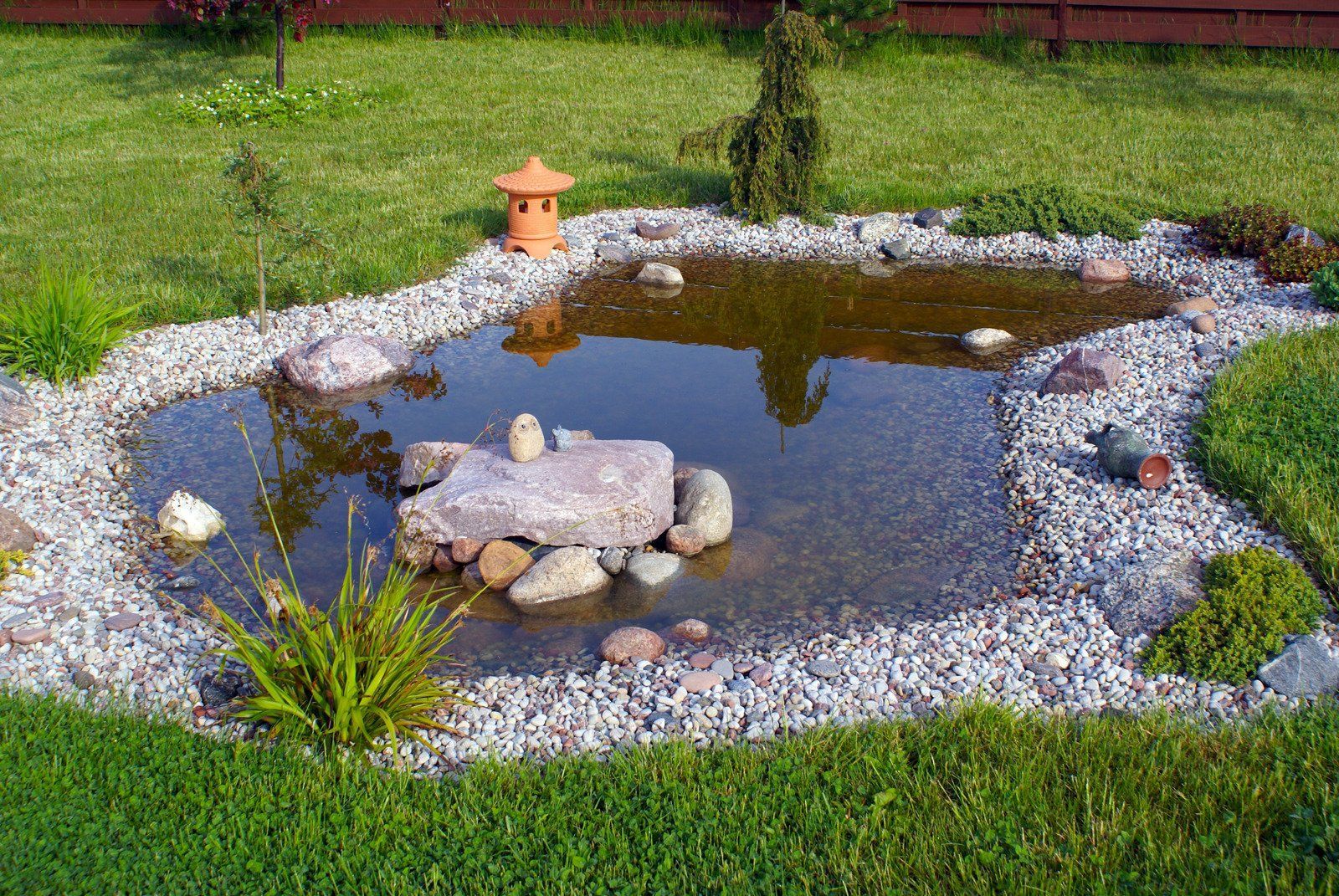
Creating a pond in your backyard or on your property can transform an ordinary landscape into a tranquil, inviting retreat. Ponds not only enhance the aesthetic appeal of your surroundings but also provide a thriving ecosystem for plants, wildlife, and beneficial microorganisms. From reflecting serene skies to attracting birds, frogs, and helpful insects, a well-constructed pond can become a captivating centerpiece of natural beauty and environmental enrichment. However, building and maintaining a pond requires careful planning, a clear understanding of the local environment, proper materials, and ongoing care to ensure its long-term sustainability and resilience. For homeowners, landscapers, and property managers alike, understanding the essential steps of pond construction and maintenance is crucial to achieving both functional, visually appealing, and ecologically balanced success.
The relevance of ponds extends far beyond visual appeal alone. They play an essential role in water management, offering natural irrigation solutions, controlling runoff, and promoting biodiversity across landscapes. With the increasing popularity of eco-friendly and sustainable landscaping, ponds have become a favored feature in modern garden designs. This guide provides a comprehensive overview of building and maintaining a pond, covering everything from careful site selection and design considerations to routine care and troubleshooting. Whether you are constructing a small ornamental pond or a larger ecosystem pond, the information provided here offers actionable insights, practical advice, and expert recommendations to ensure your pond thrives beautifully and remains healthy for years to come.
Planning Your Pond
Assessing Your Space
Before starting any pond project, evaluating the available space is vital. Consider the size, shape, and location of the pond. Smaller backyard ponds can enhance garden aesthetics, while larger ponds may serve as habitat spaces for fish or wildlife. Take note of existing trees, underground utilities, and drainage patterns to avoid future issues. Choosing a spot with partial sunlight is ideal, as too much direct sunlight can encourage excessive algae growth, while shaded areas may impede plant growth.
Defining the Purpose
Ponds serve multiple purposes, such as recreational features, wildlife habitats, or water management solutions. Clearly defining the purpose of your pond will influence the design, depth, and materials used. For example, a pond intended for ornamental fish like koi requires deeper water levels and aeration systems, while a natural wildlife pond may focus on aquatic plants and gradual slopes for easy animal access.
Budgeting and Material Selection
Establishing a realistic budget upfront is critical to avoid unexpected costs. Consider expenses for excavation, liners, filtration systems, aerators, and aquatic plants. Materials such as pre-formed liners, flexible liners, and natural stone each have advantages and drawbacks, depending on the pond's purpose. Pre-formed liners offer convenience and durability for smaller ponds, while flexible liners allow custom shapes for larger or irregularly shaped ponds. Selecting high-quality materials not only enhances aesthetics but also ensures long-term durability and minimal maintenance challenges.
Constructing the Pond
Excavation and Shaping
Once the site is selected, excavation is the first step. Clearly mark the pond outline and decide on the desired depth. Most ornamental ponds are 2–4 feet deep, while larger wildlife or fish ponds may require depths of 5–8 feet. Excavation should include shallow shelves around the edges to accommodate aquatic plants and create gradual slopes for wildlife access. A level base prevents uneven water distribution and potential structural issues.
Installing the Liner
The pond liner prevents water from seeping into the soil. Options include PVC, EPDM, or pre-formed liners. Flexible liners, such as EPDM, are preferred for irregular shapes and larger ponds because they adapt to contours. Underlayments such as sand or geotextile fabric protect the liner from punctures caused by rocks or roots. Ensure the liner overlaps the edges, and weigh it down with stones until the pond is filled with water.
Adding Filtration and Aeration
Filtration systems remove debris and prevent harmful bacteria buildup, essential for maintaining clear water. Mechanical filters capture solid particles, while biological filters convert harmful ammonia into less toxic substances. Aeration systems, such as fountains or diffusers, increase oxygen levels, benefiting fish, plants, and microorganisms. Proper filtration and aeration prevent stagnant water and reduce algae growth, creating a healthier ecosystem.
Incorporating Plants and Features
Aquatic plants are essential for pond health, providing oxygen, shade, and natural filtration. Marginal plants such as cattails or irises stabilize edges, while submerged plants like hornwort or anacharis improve oxygenation. Floating plants like water lilies help control sunlight exposure and algae growth. Additional features, such as waterfalls, fountains, or rocks, not only enhance visual appeal but also improve water circulation and aeration.
Water Quality Management
Monitoring and Testing
Maintaining a balanced aquatic environment requires regular water testing. Monitor parameters such as pH, ammonia, nitrate, and phosphate levels to prevent imbalances that can harm fish and plants. A pH range of 6.5–8.0 is ideal for most ponds, while ammonia and nitrite levels should remain near zero. Test kits or digital meters provide accurate readings for proactive water management.
Algae and Pest Control
Algae growth is a common challenge in ponds, particularly during warm months. Controlling algae involves a combination of proper aeration, shading, and nutrient management. Avoid overfeeding fish, as excess nutrients fuel algae growth. Introducing algae-eating fish, snails, or UV sterilizers can also help manage overgrowth. Additionally, inspect the pond regularly for pests like mosquitoes or invasive species. Adding mosquito dunks or biological controls can prevent outbreaks and maintain a healthy ecosystem.
Base Layer Installation Techniques
Stagnant water promotes algae and mosquito proliferation. Pumps, waterfalls, and aeration systems encourage circulation, distributing oxygen evenly throughout the pond. Proper circulation not only supports fish and plants but also prevents debris accumulation and water stagnation. Ensuring your pond has multiple circulation points helps maintain a balanced and clean aquatic environment.
Seasonal Pond Care
Spring Maintenance
Spring is the ideal time for deep cleaning and preparing the pond for the warmer months. Remove debris, fallen leaves, and dead plant matter accumulated over winter. Inspect pumps, filters, and liners for damage, and replace any worn components. Gradually reintroduce aquatic plants and prepare fish populations for increased activity.
Summer Maintenance
During summer, algae growth and water evaporation become primary concerns. Monitor water levels regularly and top up as needed. Maintain filtration and aeration systems to ensure optimal oxygen levels. Shade structures or floating plants can reduce direct sunlight exposure, preventing excessive algae blooms. Feeding fish should be adjusted according to water temperature to avoid overfeeding.
Fall and Winter Maintenance
In fall, remove fallen leaves and reduce feeding as fish metabolism slows. Cut back dead plants and relocate sensitive species to deeper pond areas to protect them from freezing temperatures. Winter maintenance may include installing a pond heater or aerator to prevent ice from covering the surface completely, ensuring gas exchange and fish survival. Seasonal care prolongs the life of the pond and minimizes costly repairs.
Common Challenges and Troubleshooting
Addressing Leaks
Leaks are a frequent concern, often caused by punctured liners, animal activity, or soil settling. Pinpoint the leak by lowering the water level and inspecting the liner or surrounding area. Small punctures can be repaired with patch kits, while larger issues may require professional assistance. Regular inspection minimizes long-term damage and water loss.
Managing Algae and Water Clarity
Algae can rapidly overtake a pond if nutrient levels are not balanced. Use a combination of natural shading, aeration, and aquatic plants to manage algae. Chemical treatments should be a last resort, as they can harm fish and beneficial microorganisms. Clear water can also be achieved by regularly skimming debris and cleaning filters.
Wildlife and Predator Issues
Ponds attract wildlife, including birds, amphibians, and small mammals. While beneficial for biodiversity, some animals may prey on fish or damage plants. Protective measures, such as netting, decoys, or deeper pond edges, can prevent predation while maintaining a natural ecosystem. Balancing wildlife attraction with pond protection ensures a healthy and sustainable environment.
Professional Advice Every Pond Owner Should Follow
Building and maintaining a pond is a rewarding journey that combines creativity, planning, and ongoing care. From initial site assessment to seasonal maintenance, each step plays a critical role in creating a balanced and sustainable aquatic environment. Regular attention to water quality, plant health, and wildlife interactions ensures the pond remains visually appealing and ecologically vibrant. By understanding common challenges, such as algae growth, leaks, or predator issues, pond owners can implement proactive solutions to maintain harmony and functionality. Over time, a well-maintained pond becomes more than just a landscape feature—it evolves into a thriving habitat that enriches both property value and personal enjoyment.
For property owners in need of
professional pond construction and maintenance services, Reeds Excavation and Trucking
in Bolivar, Missouri, brings over 20
years of trusted experience to every project. Specializing in custom pond creation, excavation, and landscape enhancements, the team combines technical expertise with hands-on care. Their commitment to quality ensures that each pond is designed to thrive, with durable materials, proper filtration, and sustainable landscaping. Whether you are building a new pond or maintaining an existing one, Reeds Excavation and Trucking
provides reliable, professional services to help you achieve a beautiful and functional aquatic feature for years to come.