Hitting Rock and Hard Clay While Digging? How Excavation Handles Ozarks Ground
September 18, 2026
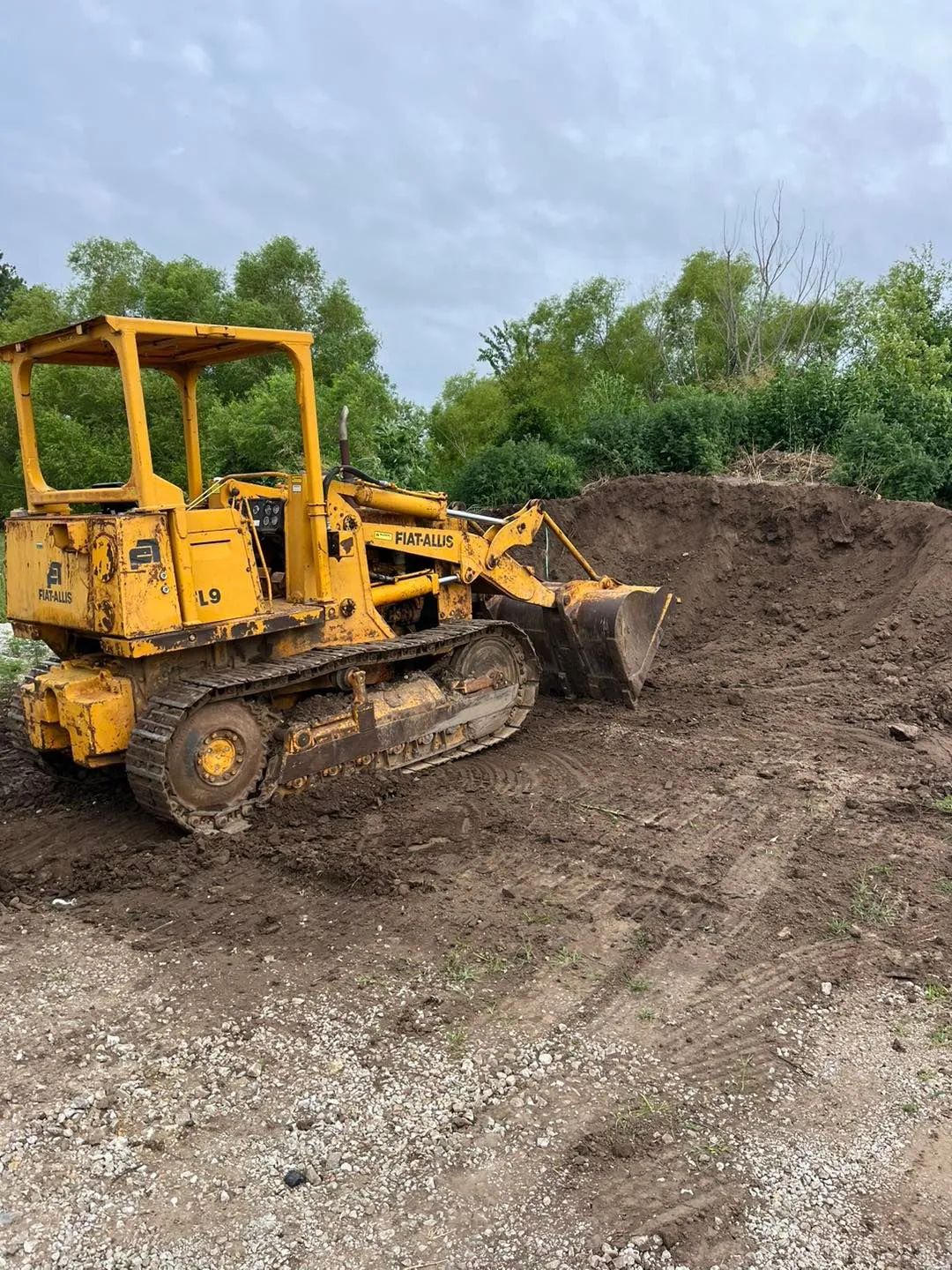
Quick Answer: Under most Ozarks topsoil sits a layer of chert-studded clay, and under that, shallow limestone or dolomite bedrock that can start as little as a foot or two down. A shovel that moves fine through the topsoil hits real resistance once you're into that clay-and-rock layer, which is why post holes, footings, and utility trenches around here so often stall out. Excavation crews handle it by reading the ground first — probing for depth to rock, judging whether the clay is workable or compacted hardpan — then matching the tool to what's actually down there: a standard bucket and teeth for chert and broken rock, a hydraulic breaker or ripper for solid ledge, and a grading plan that accounts for clay's habit of holding water and resisting compaction. The depth to bedrock and the character of the clay above it can shift how a foundation, pond, or septic line gets built, sometimes by a matter of a few feet across one property.
You've probably felt it yourself. A post hole digger that flew through the first eight inches, then hit something that stopped it cold. A fence post that needed three tries and a pry bar to seat. Maybe you've watched a contractor's excavator chatter and bounce off something solid where the plans called for a simple trench. None of that is bad luck. It's what digging in this part of Missouri actually looks like once you get past the first foot or so of ground.
The Ozarks sit on a thick stack of old sedimentary rock, mostly limestone and dolomite laid down when this whole region was under a shallow sea. Millions of years of weathering dissolved a lot of that rock at and near the surface, but it didn't dissolve evenly, and it left behind a layer of clay mixed with a rock called chert that the softer stone couldn't carry away. That layer, plus whatever bedrock sits below it, is what an excavator is actually working through on most rural acreage and even a lot of in-town lots. Knowing what that ground is doing before equipment shows up is most of the job.
What's Actually Under Your Property
The Chert-And-Clay Blanket
Chert is hard quartz rock naturally embedded in Ozark limestone and dolomite. As carbonate rock dissolves, chert remains behind, mixing with clay. Around Bolivar, Buffalo, and Springfield, this creates dense, reddish, rock-filled soil unlike loose topsoil above it.
Shallow Bedrock Is The Rule, Not The Exception
Underlying rock can sit only a few feet below ground in one location and nearly twenty feet away nearby. Because depths vary sharply, test digging at the actual building or trench location matters more than assumptions based on neighboring properties.
Why The Same Lot Can Have Both
One property can have workable clay in one corner and solid rock nearby because bedrock surfaces are uneven. Water creates pockets, ledges, and low areas over time. This natural variation makes walking and probing the site essential before finalizing any excavation plan.
Reading the Ground Before the Bucket Ever Drops
Before any real digging starts, an experienced operator is doing a version of what a geotechnical crew does on a bigger commercial job, just faster and with more field judgment. That means test digging or probing at the actual footprint of the foundation, pad, pond, or trench, not just eyeballing the surface. It means checking whether the clay near the surface is loose and workable or already dense hardpan, because those two conditions call for different equipment and a different amount of time on site. And it means noting where chert fragments start showing up in the spoil pile, since that's often the first sign that bedrock isn't far below.
This step is where a lot of surprises on other jobs get avoided. A driveway culvert that was scheduled for a half-day trench can turn into a multi-day rock job if nobody checked depth to bedrock first. A pond dug on the assumption of uniform clay can hit a rock shelf partway across the basin that changes the whole shape of the excavation. Reading the ground first isn't extra caution — on this terrain, it's the difference between a plan that holds and one that gets rewritten mid-project.
Hard Clay: The Slower Problem
Rock gets the attention because it's dramatic — a bucket bouncing off stone is obvious. Hard clay is a quieter problem, but it shapes just as much of the work. Ozark clay soils typically contain a meaningful share of clay minerals that swell when they take on water and shrink again as they dry out. That shrink-swell behavior means the same ground can be soft and sticky after a wet spring and rock-hard and cracked by late summer, which changes how it digs, how it compacts, and how it holds a shape over time.
Compaction is where this matters most for anything you're going to build on. Clay that's too wet won't compact to a stable base — it just squishes and rebounds. Clay that's too dry resists the bucket and the roller both. Getting a pad, a driveway base, or a trench backfill compacted right means working the clay at something close to its right moisture content, which is part of why timing a dig around recent rain matters as much as the equipment does.
Tip: If you're planning a project on ground that stayed wet longer than usual this spring, ask whoever is digging to check moisture in the clay before they commit to a compaction schedule, not just before they start digging. Clay that looks dry on the surface can still be saturated a foot down, and pushing forward on that layer usually means redoing the compaction once it dries out properly.
When You Hit Rock: Matching the Tool to the Material
Not all rock digs the same, and the difference changes both the equipment and the pace of the job. Chert that's broken up and mixed loosely through the clay — which is most of what you hit on a typical residential lot — usually comes out with a standard digging bucket and ripping teeth, sometimes with more effort than clean dirt but without needing a different machine. Solid, unfractured limestone or dolomite ledge is a different story. That kind of rock resists a standard bucket entirely and calls for a hydraulic breaker attachment to fracture it in place, or in some cases a ripper tooth or splitting attachment that works the rock along its natural seams rather than pounding straight through it.
The choice between those methods comes down to how the rock is holding together. Rock with natural fractures and bedding planes breaks apart faster and with less equipment wear, because the machine is working with the rock's own weak points instead of against solid mass. Dense, unfractured rock takes longer no matter what attachment is used, because there's nothing to exploit — every inch of progress is earned. An operator who's worked this ground before can usually tell within the first few minutes of contact which kind of rock they're dealing with, and that read shapes how the rest of the day is planned.
What Rock and Clay Mean for Different Kinds of Projects
The mix of rock and clay under a property doesn't affect every project the same way, because different projects ask different things of the ground.
Foundations and pads need a stable, compactable base, so the concern is less about rock itself and more about consistency — a footing that sits partly on solid rock and partly on softer clay is set up for uneven settling unless that transition is handled deliberately during excavation.
Ponds depend on the clay holding water, so hitting a rock shelf partway through a planned basin can mean adjusting the shape or depth of the pond to keep the liner material where it needs to be, since water finds its way through fractured rock a lot faster than it moves through dense clay.
Septic systems need soil that can actually absorb and treat wastewater at a reasonable rate, and both extremes cause problems: rock too close to the surface leaves no room for a proper drain field, while dense, poorly draining clay can slow absorption enough to affect how the system is sized and laid out.
Driveways and access roads care most about what's under the base layer holding up, so a rock shelf a couple feet down is often a benefit for long-term stability, while soft, saturated clay right under the surface is the condition that leads to rutting and washouts later.
Knowing which of those you're building toward changes how a crew treats the same rock or the same clay when they hit it.
Why the Same Two Acres Can Dig Different Ways
It's common on a larger tract to see the excavation crew move fast through one section and slow to a crawl twenty feet later. That's the uneven bedrock surface at work again — the dissolved, weathered top of the limestone or dolomite underneath isn't flat, and water working through fractures and joints in the rock over a very long time leaves behind pockets, ledges, and low spots that don't follow any visible pattern on the surface. A slight rise in the yard doesn't necessarily mean rock is closer, and a low, wet-looking spot doesn't necessarily mean it's farther away. That's part of why probing at each specific work location, rather than relying on one test hole for a whole property, gives a more accurate picture of what a project is actually up against.
Warning: Do not treat the mulch mat as a planting bed or a building base. A fresh, deep layer of ground wood ties up nitrogen as it breaks down and can hold back new seeding until it settles, so ground bound for pasture or food plots often needs the mat lightly worked to get seed to soil. And a mulch layer over intact roots is never a stand-in for grubbed, compacted subgrade under anything you intend to build.
What This Means for Planning and Timeline
Neither of these conditions usually stops a project. What they do is change how it's sequenced and how long different phases take. A trench that hits rock partway through needs a different attachment brought in, which affects the day's schedule even if the total footage isn't large. A pad that has to be built over a transition from rock to clay needs extra attention to the compaction and grading at that seam so the finished surface doesn't settle unevenly later. A pond basin that runs into a rock shelf may need the shape adjusted on site rather than dug exactly to the original stakes.
None of that is a reason to skip the project — it's the normal working condition of building on Ozarks ground, and a crew that's dug this terrain for years plans around it as a matter of course rather than treating it as a surprise. What it does mean is that a realistic timeline accounts for test digging up front and some flexibility once the actual ground is exposed, rather than assuming every foot of a site behaves like the first test hole.
Frequently Asked Questions
How do I know if I have rock or hard clay before I start digging?
A test dig or probe at the actual work site is most reliable, not a guess based on the yard's look. An operator reads resistance, texture, and chert fragments in the spoil to judge what's below.
Does hitting rock mean my project has to change?
Not usually, though it can change how the work gets built. A foundation or trench can almost always finish once rock is identified. The design may need a small adjustment, like a repositioned pad or pond shape.
Why does my yard stay soggy in some spots and rock-hard in others?
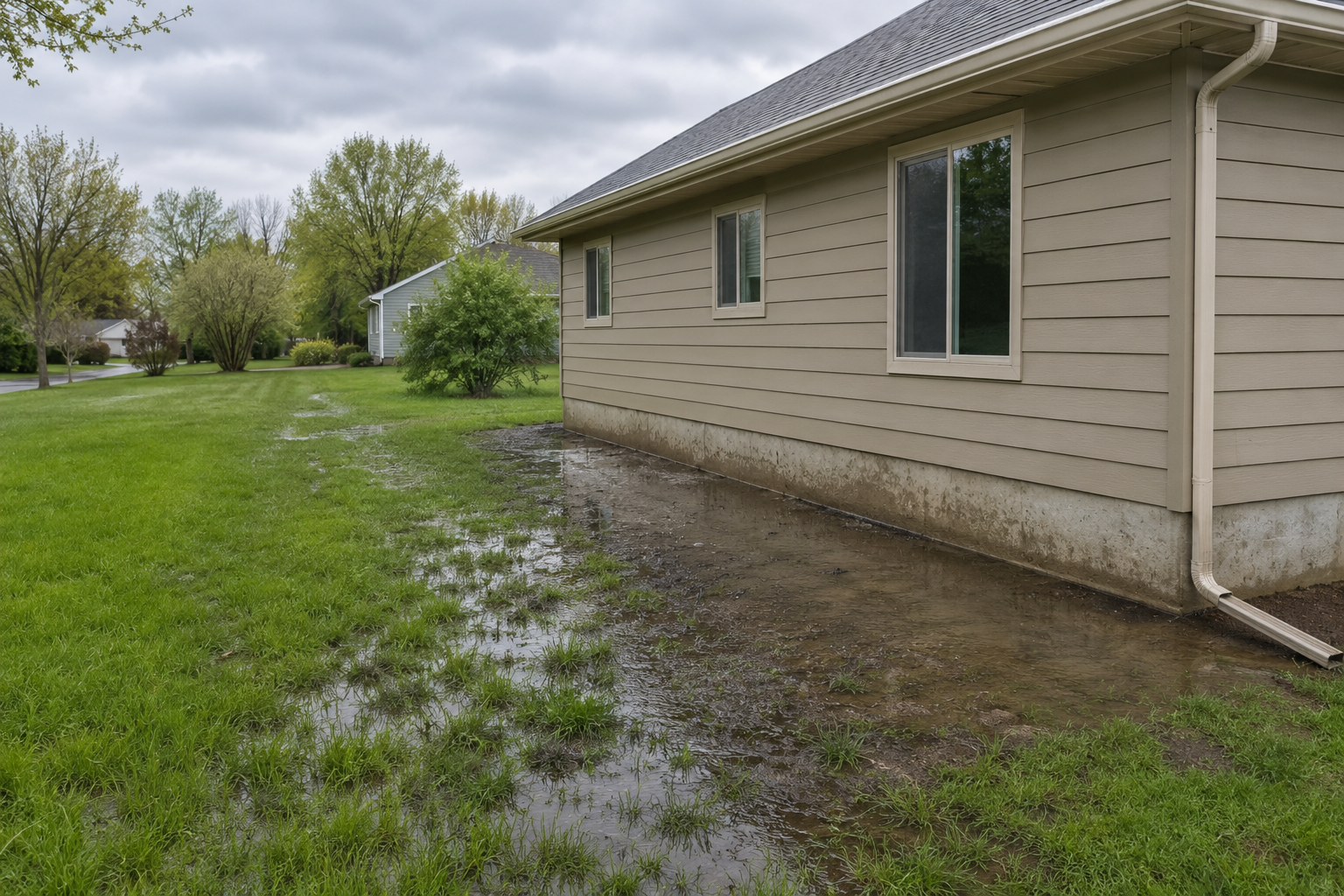
Clay's shrink-swell behavior combined with uneven bedrock depth explains it. Clay holds water and swells when wet, then hardens as it dries. Where bedrock sits closer to the surface, water often pools or lingers longer after rain.
Can hard clay affect how well a septic system works?
Yes. A drain field depends on soil absorbing wastewater at a workable rate. Dense, poorly draining clay slows that absorption, affecting sizing and layout and shortening a field's life if the soil wasn't accounted for upfront.
Is it more disruptive to break rock than to dig through clay?
Breaking rock takes longer and different equipment, but planning for it keeps things clean. Real disruption comes from not knowing rock is there until a crew is already partway into a plan built around uniform clay.
Why Reading The Ground Always Comes First
Every property in this part of Missouri holds some mix of chert, clay, and buried rock, and that mix rarely announces itself before the first bucket drops. What changes the outcome isn't the ground but how early it gets read. A crew that probes before committing to a plan catches the shift from workable clay to solid ledge while there's still time to adjust equipment and sequencing. That early read is what keeps a project moving instead of stalling halfway through.
Reeds Excavation and Trucking
has spent 20+ years working this ground around Bolivar, MO, and that experience shows up less in any single dig than in how few surprises turn into setbacks. Chert-studded clay and shallow bedrock are simply the terrain here, not exceptions to plan around after the fact. Projects read correctly from the start tend to hold their shape long after the equipment leaves, which is really the point of doing it right the first time.