The Role of Professional Excavation in Utility Installation
June 18, 2026
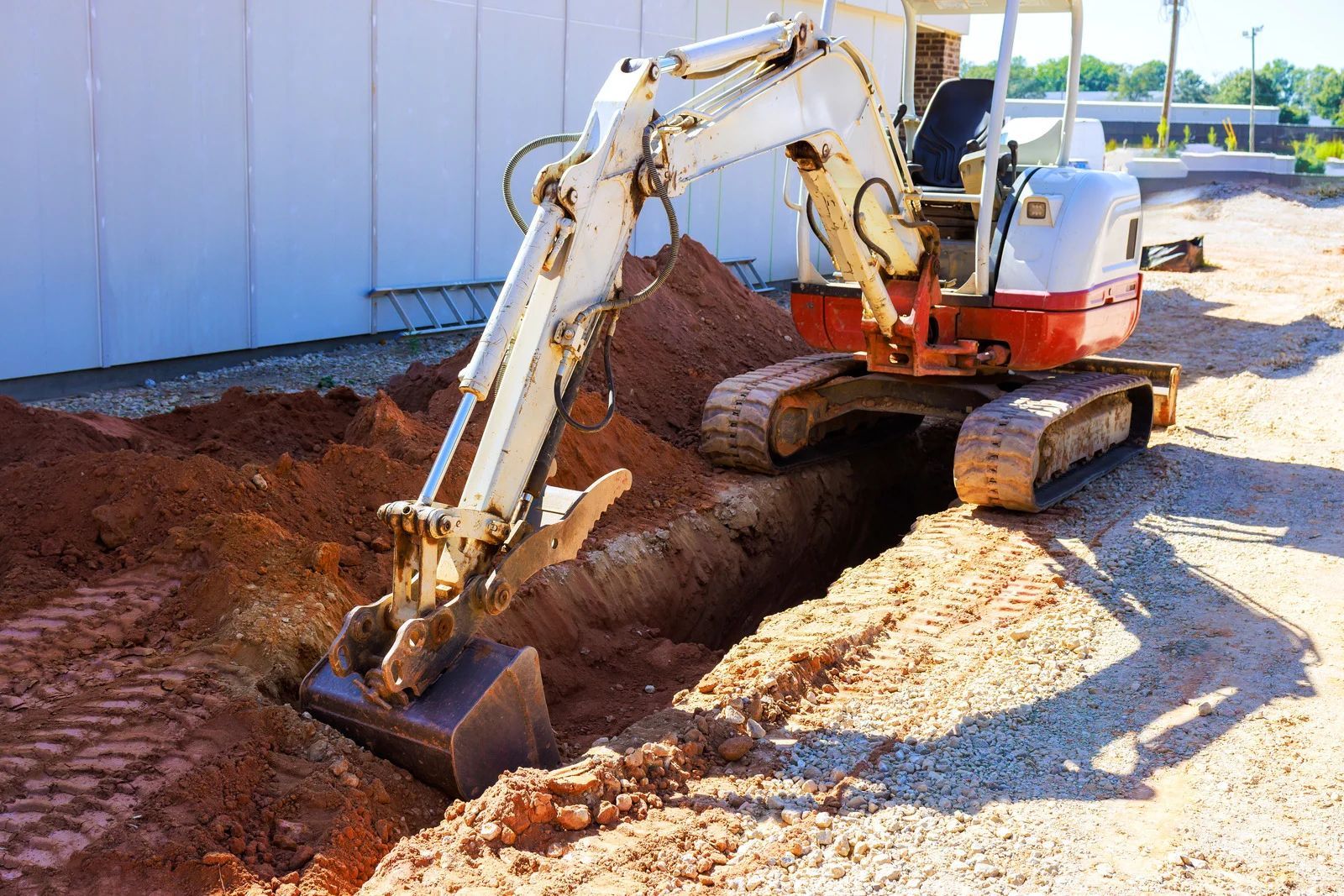
Utility installation is one of the most infrastructure-critical processes in modern construction. Whether a project involves laying water mains beneath a residential neighborhood, running gas lines through commercial corridors, or trenching for electrical conduit on a large development site, the excavation phase determines how every subsequent step performs. A precisely excavated trench protects pipe integrity, supports proper drainage, and keeps underground systems aligned with engineering specifications.
What separates a reliable utility network from one plagued by failures and repairs often has nothing to do with the pipes or cables themselves. It comes down to the quality of the ground preparation that preceded their installation. Professional excavation teams bring technical knowledge, specialized machinery, and site-specific judgment that no shortcut can replicate. When the stakes involve public safety, environmental compliance, and long-term infrastructure performance, the decision to hire experienced excavation professionals is not optional. It is foundational to every utility project that needs to last.
Why Excavation Precision Matters in Utility Work
The Engineering Demands Beneath the Surface
Underground utility systems operate under conditions most people never see. Soil pressure, groundwater movement, freeze-thaw cycles, and heavy surface loads all act on buried infrastructure. When excavation is imprecise, even the highest-grade piping material can fail prematurely.
Professional excavators approach each utility project by evaluating soil composition, load-bearing requirements, and trench geometry before a single bucket enters the ground. Sandy soils demand different shoring strategies than clay-heavy ground. Rocky substrates require equipment capable of breaking compacted material without disturbing surrounding utility corridors. These are not decisions made at random. They follow geotechnical data, engineering plans, and field experience developed across hundreds of similar projects.
Trench depth and width specifications are not suggestions. Utility codes in most jurisdictions define minimum burial depths for each utility type. Water lines typically require burial below the frost line. Gas distribution lines follow specific pressure and clearance requirements. Electrical conduit must meet separation distances from other utilities. Professional excavation ensures these specifications are met from the first cut.
Underground Utility Locating and Damage Prevention
Before the Bucket Touches the Ground
One of the highest-risk phases of any excavation project is breaking ground without complete knowledge of what already exists underground. Buried utility strikes cause outages, injuries, environmental hazards, and project delays that can stretch for weeks.
| Utility Type | Typical Hazard When Struck | Required Clearance |
|---|---|---|
| Electrical | Electrocution, fire, outage | Varies by voltage class |
| Natural gas | Explosion, toxic exposure | Minimum 12 inches recommendedndez |
| Water main | Flooding, structural erosion | Per local code |
| Telecommunications | Service disruption, signal loss | Per provider specification |
| Sewer line | Environmental contamination | Varies by depth and material |
Professional excavation firms work directly with 811 locate services and utility providers to identify and mark existing infrastructure before work begins. When markings indicate congested utility corridors, hand digging and vacuum excavation become the standard approach. Hydrovac equipment can expose buried utilities with pressurized water and vacuum suction, giving crews visual confirmation of exactly what runs beneath the surface before mechanical excavation proceeds nearby.
This deliberate approach is not merely precautionary. It is the professional standard that separates qualified contractors from those who treat utility maps as approximate guides.
Trench Safety Standards and Soil Stability
Protecting Workers and the Public
Trench collapses are among the most dangerous incidents in construction. The Occupational Safety and Health Administration classifies soil into categories that determine what protective systems a crew must use. Type A soil, such as stable clay, allows for steeper trench walls with less extensive shoring. Type C soil, including gravel, sand, and submerged ground, requires either sloping, benching, or trench boxes to prevent wall failure.
Professional excavation contractors implement protective systems as a matter of practice, not reaction. Trench boxes are sized to the depth and width of each dig. Shoring systems are inspected each shift. Spoil piles are kept at safe distances from trench edges to prevent surcharge loading. Entry and exit ladders are positioned within 25 feet of every worker in a trench.
Beyond worker safety, trench stability also protects the utility installation itself. A trench wall that shifts during installation can misalign pipe connections, damage flexible couplings, or introduce lateral loads that future soil movement will amplify. Stable trenches produce consistent installations. Consistent installations produce systems that perform as designed.
Bedding, Backfill, and Compaction Practices
What Happens After the Pipe Goes In
The work that follows placement of a utility line is as important as the excavation that preceded it. Bedding material supports the pipe barrel and distributes load across the pipe's length. The wrong bedding, or bedding placed inconsistently, creates point-loading conditions that lead to cracking in rigid pipe or deformation in flexible pipe over time.
Professional excavators follow bedding specifications drawn directly from the utility type and pipe material:
Rigid pipe (concrete, clay, cast iron)
Granular bedding is placed to a minimum depth of four inches below the pipe barrel. The bedding must be graded and compacted before the pipe is set.
Flexible pipe (PVC, HDPE, corrugated metal)
Haunch support is critical. Bedding material is carefully placed and compacted in lifts on both sides of the pipe to prevent ovaling under load.
Backfill above the bedding zone is placed in compacted lifts, typically no greater than six to eight inches per lift when using mechanical compaction equipment. Lift thickness is reduced near the pipe zone to prevent pipe damage from compaction forces. Native soil may be used as backfill in many conditions, but unstable or contaminated material is removed and replaced with engineered fill.
Improper compaction is one of the leading causes of surface settlement above buried utilities. When backfill is not properly compacted, it consolidates under traffic or surface loads, creating voids that eventually cause pavement cracking and surface depressions. Professional crews use compaction testing to verify density before closing a trench.
Coordination with Other Trades and Project Sequencing
Excavation as the Organizing Layer of a Utility Project
On complex utility projects, excavation does not happen in isolation. Water, sewer, storm drainage, gas, electrical, and telecommunications lines often share the same trench corridor or intersect at close intervals. The sequencing of which utility gets installed first, and in what order the trench is backfilled, directly affects every trade that follows.
Professional excavation contractors participate in pre-construction coordination meetings with engineers, utility owners, and other contractors. We review utility conflict matrices, identify crossing points, and plan excavation sequences that minimize rework. When utilities must cross at close vertical separation, we excavate in stages to allow each trade to install and partially backfill before the next trade enters the corridor.
This coordination prevents situations where a gas line must be moved because a water main was installed without accounting for the correct separation distance. It prevents electrical conduit from being placed at a depth that later conflicts with a storm drain installed on the same alignment. Professional excavators understand the sequencing requirements for each utility type and structure the dig plan around them.
Trusted Professionals Who Know Missouri Ground Inside Out
Professional excavation is not a preliminary activity that simply removes soil to make room for pipes and conduit. It is a precision discipline that directly determines whether a utility system performs safely, meets regulatory standards, and stands up to decades of service. Proper ground analysis, trench safety, bedding placement, backfill compaction, and cross-utility coordination each carry real consequences when handled without expertise. The difference between a utility system that requires repeated repair and one that performs without issue over its full service life is often established before a single pipe is laid. It is established in the excavation phase, by professionals who understand soil behavior, safety standards, and installation requirements from the ground up.
Reeds Excavation and Trucking
has served residential, commercial, and municipal clients across Bolivar, Missouri and the surrounding region for over 20
years. We specialize in excavation work that supports utility installation projects of all scales, from single-service residential connections to multi-utility commercial site development. Our crew brings hands-on experience with trench safety systems, utility locating coordination, bedding and backfill practices, and soil compaction verification. We understand the technical requirements that govern underground utility work in Missouri, and we approach every project with the same standard of precision that protects both the installation and the people who depend on it. When a utility project requires excavation work done to specification and on schedule, clients across Bolivar and southwest Missouri rely on our 20 years of field experience to get it right.
Frequently Asked Questions
What is the difference between hydrovac excavation and mechanical excavation for utility work?
Hydrovac excavation uses pressurized water and a vacuum system to expose buried utilities without mechanical impact, reducing the risk of strikes. Mechanical excavation uses equipment like excavators and backhoes for open trenching where utility conflicts are cleared and documented in advance.
How deep do utility trenches typically need to be?
Depth requirements vary by utility type and location. In most northern and central U.S. climates, water lines require burial below the local frost depth, which can range from 18 inches to over 5 feet. Gas, electrical, and sewer lines each follow jurisdiction-specific minimums set by code.
Why is bedding material required under utility pipes?
Bedding provides a stable, uniform support surface for the pipe barrel. Without proper bedding, point loads develop along the pipe length during backfill and surface loading, which leads to cracking in rigid pipe and deformation in flexible pipe over time.
What soil classification system do excavation crews follow for trench safety?
OSHA classifies soils into Type A, Type B, and Type C based on cohesion, moisture, and stability. Each classification determines the required protective system, whether sloping, benching, or a trench box, before workers can enter an excavation deeper than five feet.
How do professional excavators avoid striking existing utilities during a project?
Professional crews contact 811 before any dig to request utility locates. Locate technicians mark existing lines on the surface. In areas with dense utility corridors or unclear markings, crews use hand digging or hydrovac excavation to visually confirm utility positions before bringing in mechanical equipment.